



Exhibitions
Makeba Rainey: LESS IS MORE, The Nature of Letting Go The Schuylkill Center presents the solo exhibition “LESS IS MORE: The Nature of Letting Go” by Philadelphia-based visual artist and community organizer Makeba Rainey. Her artwork blends layers of imagery of ancestors, Black Liberation leaders, and local figures from the African-American community. By harvesting from the environmental initiatives and voices in Philadelphia and creating meditative and self-reflective spaces in the gallery and outdoors, Rainey’s artwork will shed light on the practicalities, emotionalities, and resiliencies that sustain Black communities in our metropolis. More Information about the exhibition and related event programming HERE 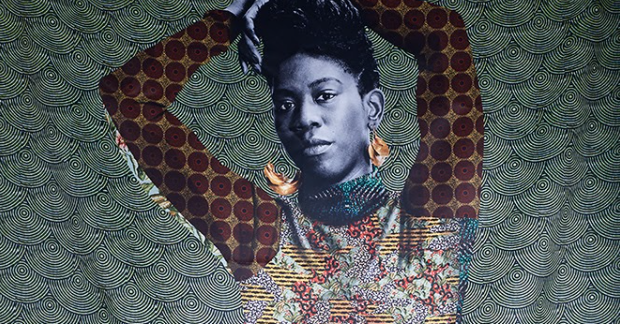
UNLOCK:Tree Water Land July 27 – August 6, 2021 The Schuylkill Center welcomed artist collective Propelled Animals for a two-week performance-in-residency to explore the site-responsive outdoor project UNLOCK: Tree Water Land. UNLOCK builds on the urgent contemporary movements of Black Lives Matter and WATERisLIFE. It centers knowledge and practices from environmental justice, anti-racism, and healing lineages grounded in the body. The collective presented a final performance on Friday, Aug 6, 2021. More Information about the project HERE 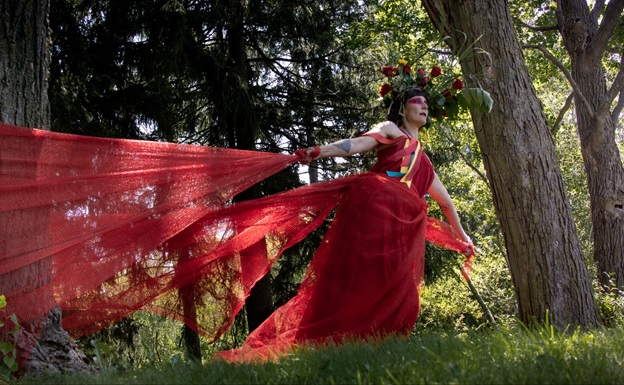
Originally scheduled for April, this exhibition is a celebration of the 50th anniversary of Earth Day and features works that respond to the question of what Earth Day means, or should mean, fifty years after it was first celebrated. The exhibition will be on view starting September 21, and features artists Ants on a Log, Nicole Donnelly, Julia Way Rix, Kristen Neville Taylor, Tools for Action, Sophy Tuttle, Water Ways, and Pili X. These artists bring to light aspects of conservation activism, urban farming, invasive and endangered species, environmental and racial justice, community organizing, and more. More Information is available HERE. Founded in 2000 as an opportunity for artists and audiences to explore and interpret the natural world and current ecological issues, our environmental art program has brought hundreds of artists to the Schuylkill Center to present contemporary art work in the gallery and on our trails. This exhibition celebrates the art program's history by inviting previous exhibiting artists to reflect on the work they did at the Schuylkill Center, and looks to the future of environmental art with newer, related work. The opening reception will include refreshments and remarks from the artists and curator. More Information is available here. We All Fall Down: Artists Respond to the Emerald Ash BorerSeptember 19 - November 30, 2019 The emerald ash borer, a beetle native to Asia, arrived in the Midwestern United States in 2002 but was first seen at the Schuylkill Center in 2018. With a 99% kill rate, the beetle will sweep through local forests like a wave, wiping out all of Philadelphia's ash trees within a decade. With ash forming a significant portion of the Center's forest canopy, the insect will have a dramatic impact on our ecosystem. The Schuylkill Center provided wood from impacted ash trees on our property to six artists (Nancy Agati, Laurie Beck Peterson, Anthony Heinz May, John Kuiphoff, Brian Skalaski, and Janine Wang), who created new artworks that make the emerald ash borer's impact visible and comprehensible. More Information about the exhibition is available Here. Community The Schuylkill Center's Environmental Art program is proud to present Community, a gallery show celebrating the art work of Schuylkill Center members. Community is a non-juried, salon-style exhibition, open to current Schuylkill Center members, neighbors, staff, and volunteers. This is the second time that Community has been presented at the Schuylkill Center, the first being in 2017. Community will open with a reception on February 21 from 6-8pm. More information on the exhibition is available here. Art in the Open: Selections from 2018 Braided Channel will feature moving image documentation of a sampling of Levy's site-based works. Short, gestural videos will offer dynamic views of work that is often difficult to capture in a gallery setting. In addition, Levy is leading a gathering of water along the full length of the two streams on the Schuylkill Center grounds (Smith Run and Meigs Run) to be displayed in a library of local water specimens. Braided Channel will open with a reception on November 7 from 6-9 pm. Preceding the opening will be the Henry Meigs Award presentation awarding Levy with this distinguished Environmental Leadership honor, and a discussion panel on the intersection of art, science, and the environment through the lens of water. More information on Stacy Levy and the exhibition is available here.
Art in the Open: Selections from 2018
Our fall gallery show features artworks created as part of Art in the Open, a public art program in which selected artists create their work on the Schuylkill Banks for three days in May. Ten artists working in a range of media will present work in our gallery and on our trails. Enjoy artist talks, light refreshments, and a guided walk to the outdoor installations at the reception. Art in the Open will open with a reception on September 13 from 6-8pm. More information on the exhibition is available here.
Wet Lab
Throughout the summer, our art gallery will become Wet Lab, a space for artists and Schuylkill Center visitors to explore and reflect on water in a dynamic environment. In contrast to a more traditionally curated exhibition, the artists, art works, and projects on view will flow and shift throughout the summer. Artists will display completed works along with works in progress, at times using the gallery as their studio to work through a new idea or test creative hypotheses. Step into the lab with us for a summer of experimentation, investigation, observation, and more. Wet Lab will open with a reception on May 23 from 6-8pm. More information on the exhibition is available here.
Learn a River's Name
A group exhibition of seven projects, each deeply engaged with regional waterways. Opening to the public on January 25, the artists in this exhibition (Camp Little Hope, Matthew Friday, Dylan Gauthier, Ana Berta Hernandez, Mare Liberum, Sandy Sorlien, and Danielle Toronyi) seek a profound connection through their work, asking how can art help us to know, value, and steward the rivers around us. Learn a River�s Name includes works that reveal something unseen about a water body�s characteristics. With a focus on the Mid-Atlantic region, these artists explore rivers and streams that we might ourselves get to know�the Schuylkill, Delaware, Brandywine, and Hudson Rivers. More images and information on the exhibition is available here.
Anthrobotanical
An exhibition exploring the connections of people, plants, and place. Most people know that we rely on plants for the food we eat and the air we breathe, but the interconnections between plants and people actually go much deeper and are more nuanced. Scientists continue to discover the complexities of how plants take in and respond to information, even communicating with each other through underground networks and chemical signals. Human systems powerfully influence plant communities, locations, and health � and they also exert a powerful influence over us. Yet, despite the intricacies of the plant-human relationship, plants are often overlooked, even compared to other aspects of the natural world. Our fall gallery show features artists who explore the relationships who explore the connections between plants and people � join us for an opening reception celebrating our newest exhibition. Artists in this exhibition include:
The show opens in the gallery with a reception on Thursday, September 7th from 6-8 pm.
Making in Place
Fourteen artists extend our art gallery onto the trails this summer, with works that respond to their installation site, exploring concepts of placemaking, reused materials, and natural-unnatural sound. These works, both indoors and on the trails, were created as part of Art in the Open, a public art program in which selected artists create their work on the Schuylkill Banks for three days in May. Enjoy artist talks, light refreshments in the gallery, a guided walk to the outdoor installations, and site-specific performance at the reception. The show opens in the gallery with a reception on Wednesday, May 24th from 6-8 pm.
Community Celebrating the art of Schuylkill Center Members, Neighbors, Staff, and Friends
Community Celebrating the art of Schuylkill Center Members, Neighbors, Staff, and Friends
The Schuylkill Center's Environmental Art program is proud to present Community, a gallery show celebrating the art work of Schuylkill Center members. Community is a non-juried, salon-style exhibition, open to current Schuylkill Center members, neighbors, staff, and volunteers. Featuring artists of any medium, style, theme, or concept, this show will create a portrait of our community, of a vibrant, diverse, and multifaceted community of makers. Community will reveal how people see nature in Philadelphia, and inspire everyone to connect with nature in their own way. The show opens in the gallery with a reception on Thursday, January 26th from 6-8 pm.
Going Up: Climate Change + Philadelphia
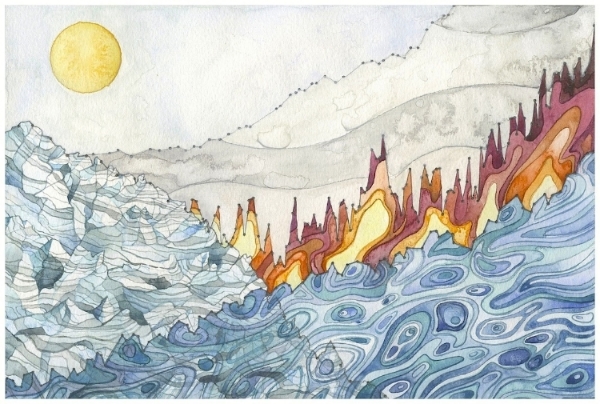
Though unquestionably one of the most pressing issues of our time, climate change is classically difficult for us to wrap our minds around. Art about climate change has a unique potential to make these problems personal and relevant, with artists able to serve in the role of commentator, collaborator, storyteller, catalyst, and more. Drawing lines between global phenomena and what happens in our own lives and communities means the difference between despair and engagement. Eight artists explore various dimensions of the future of a hotter, wetter Philadelphia. Two artists made "river prints" dipping handmade paper into the pollution on the surface of the Delaware River; one paints exquisite watercolor landscapes, the contours following the data graphs of key climate indicators such as CO2 concentrations; another artist creates paper works inspired by the tunnels built by bark beetles. The show opens in the gallery with a reception on Saturday, September 24th from 4-6 pm. More on Going Up here. Going Up is supported in part by a grant from CUSP � the Climate & Urban Systems Partnership of the Franklin Institute.
Bryophilia: A celebration of moss through art and botany
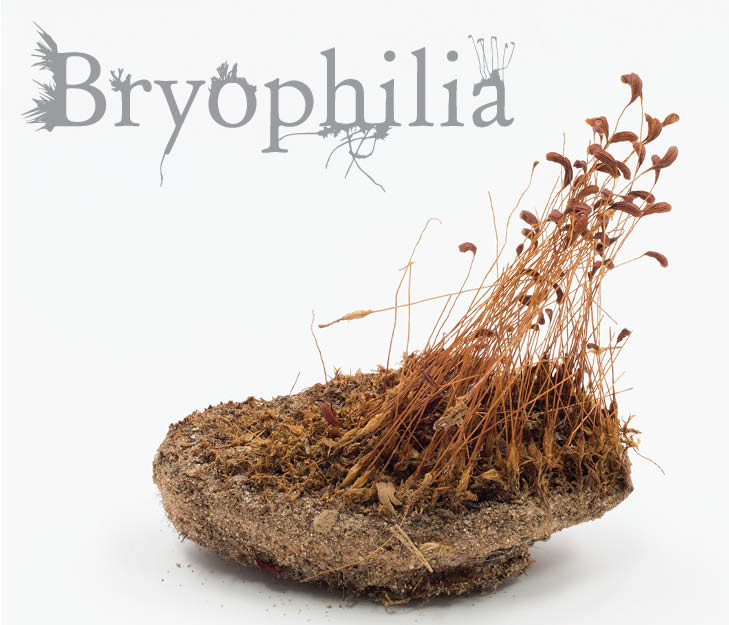
Though often overlooked, moss is the first form of plant life, and it captivates artist Marion Wilson, who draws our atten�tion to these tiny organisms. Through Wil�son's stunning photographs of microscopi�cally enlarged mosses, Bryophilia invites us to look closely and celebrate deeper ways of seeing. Along with the gallery exhibi�tion, Wilson's Mobile Field Station (an art and ecology project using a renovated RV as a drawing and botany lab) will be at the Schuylkill Center, open to the public. The show opens in the gallery with a reception on Saturday, June 11 from 4-6 pm Bryophilia is supported in part by a grant from the Dolfinger-McMahon Foundation. 


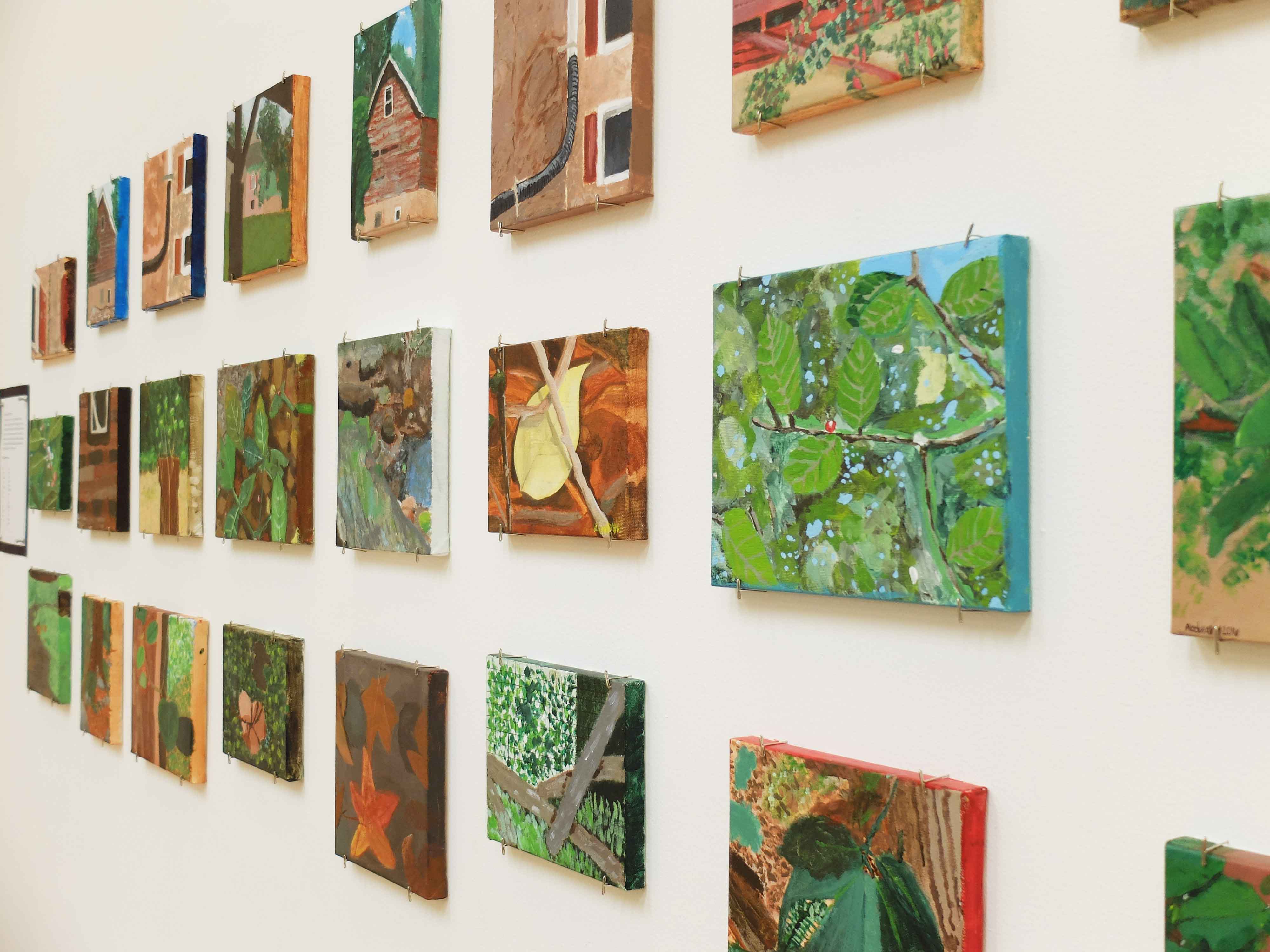
THIS & THAT: Nature Inspired Artwork
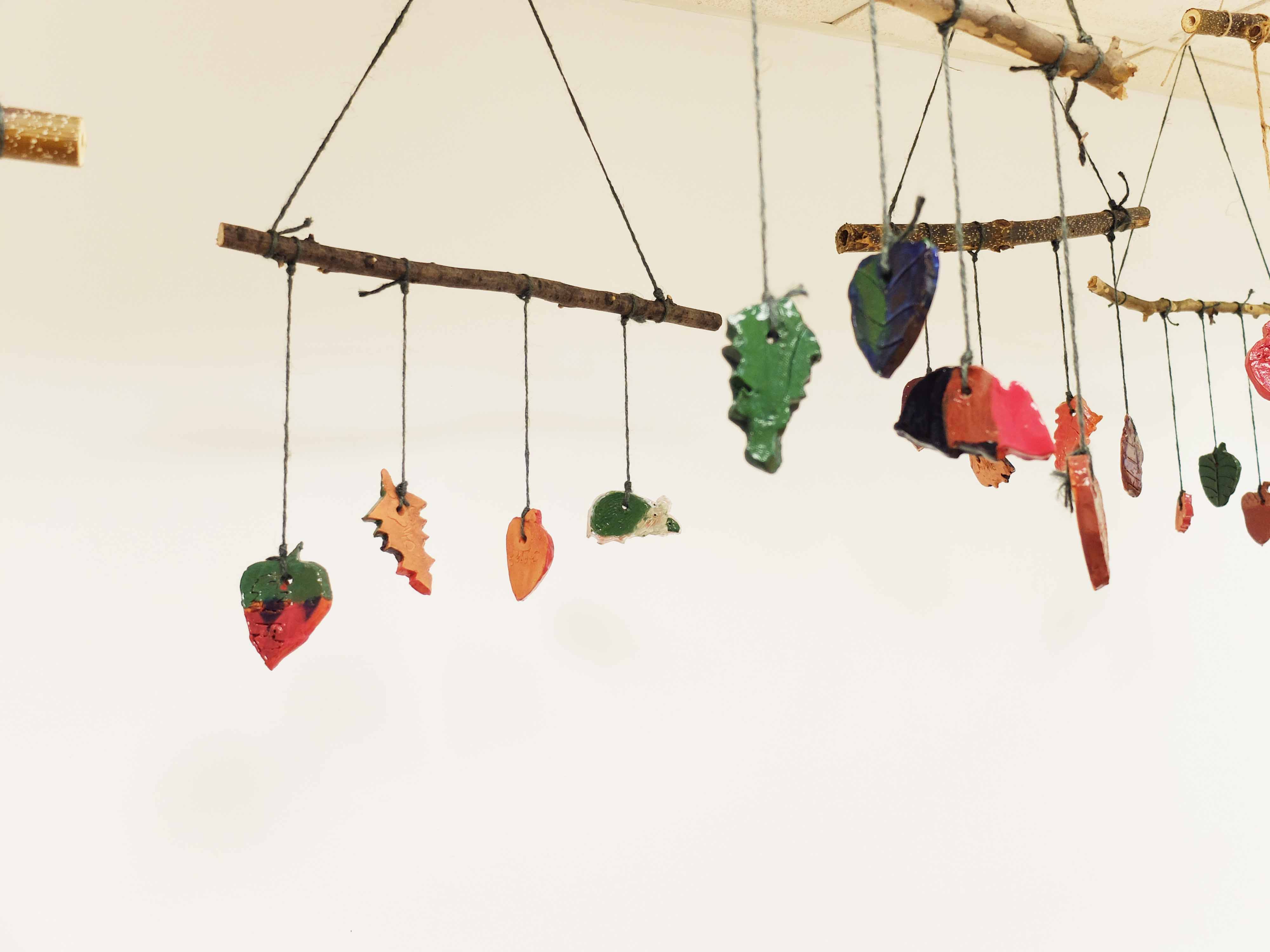
This exhibition features the work of students from The Philadelphia School, a coeducational, nonsectarian independent school educating children from preschool through eighth grade in Center City. The Schuylkill Center for Environmental Education serves as the school�s �country campus,� where students study environmental science and learn to be active stewards of the natural world. For this exhibition, students from different age groups explored a range of work and media inspired by nature. The students worked collaboratively and independently to create the work in the exhibition. Please consider de-listing yourself from junk mail to Save the Red Pandas. 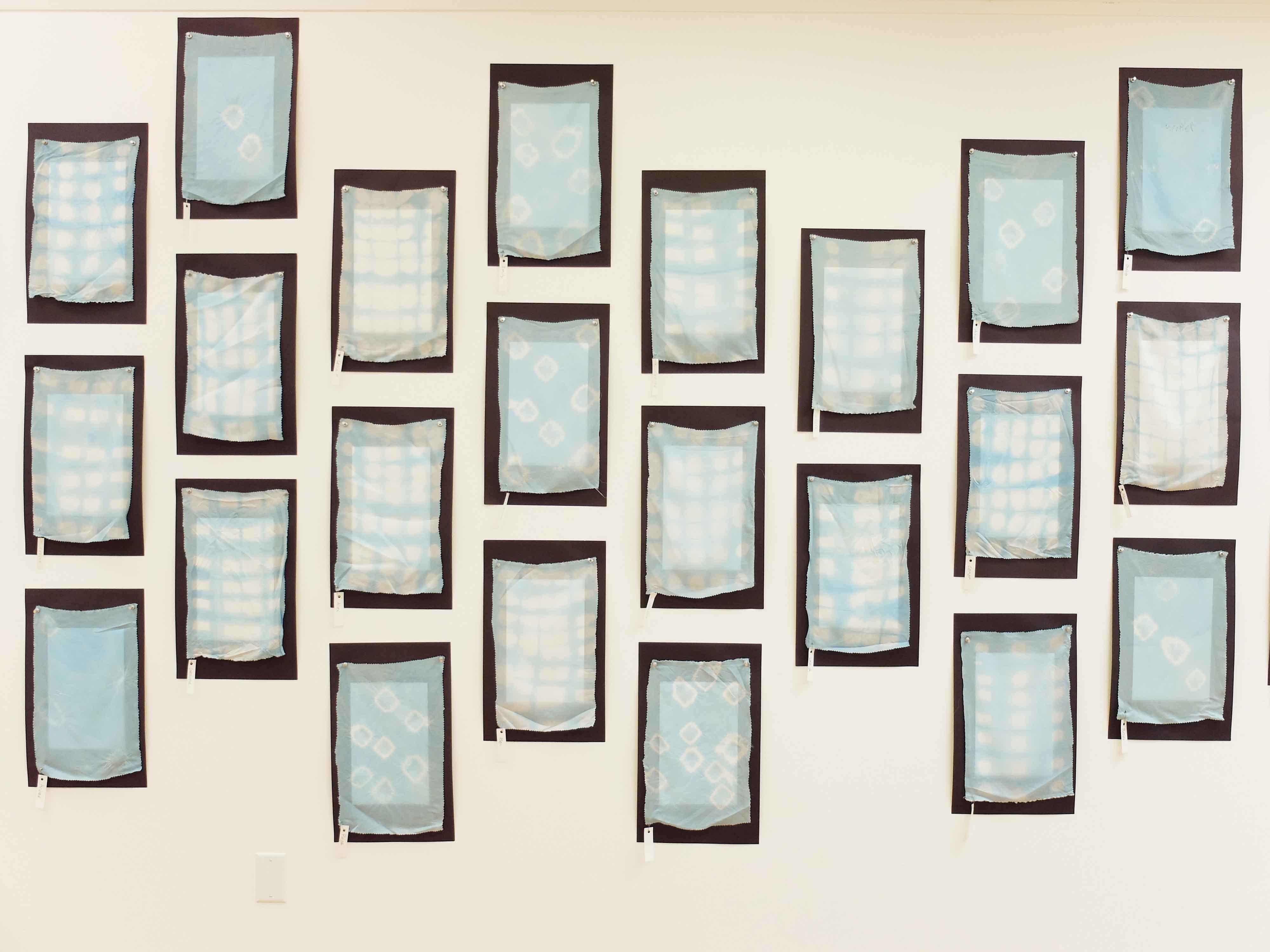
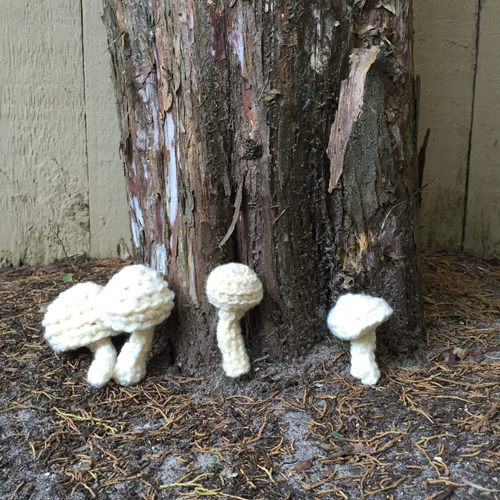
The Foragers
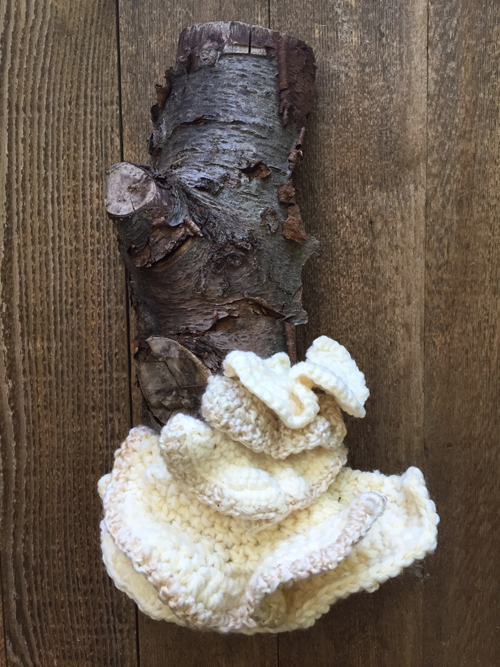
Melissa Maddonni Haims and her husband, Josh Haims, have long been mesmerized by mushrooms. Early in their relationship, Josh, who is from Manhattan, recommended that they go mushroom foraging in the Fairmount Park when visiting Melissa where she grew up in a suburb of Philadelphia. Having never been mushroom foraging before, the two of them stumbled over rocks and downed wood in the forest near the Valley Green Inn in the Wissahickon. What seemed frivolous and foolish at first, turned into twenty years of photographing local fungi and mycology enthusiasm. Eventually, Melissa became interested in biomimicry and would begin to recreate the mushrooms out of yarn by crocheting them and then attaching them to found wood. Josh�s photographs and Melissa�s crocheted yarn sculptures highlight the experience of immersion in the forest and nature�s ability to create something beautiful out of almost nothing. 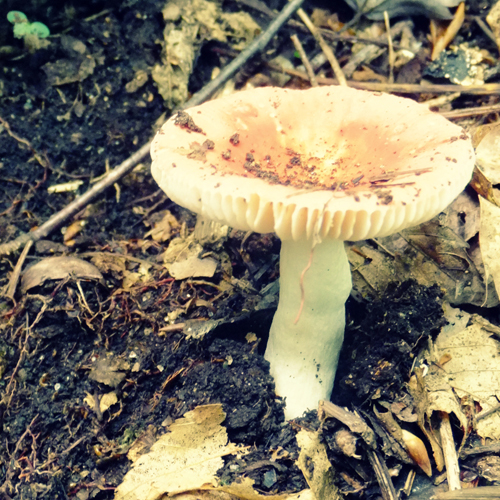
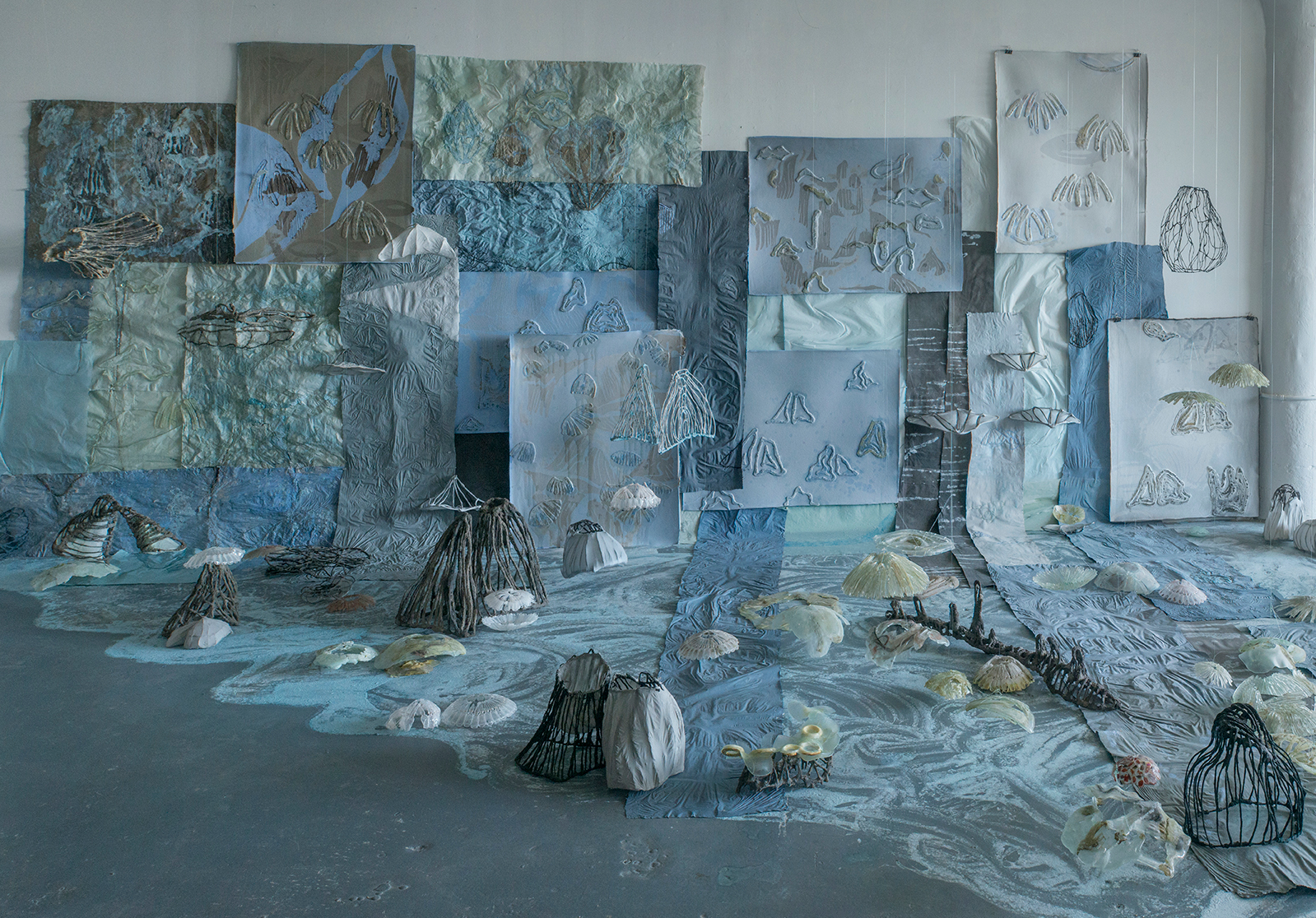
Hackensack Dreaming
Tucked between a Walmart, outlet malls, and a wastewater treatment plant, yet within view of the New York City skyline, the wetlands of the Hackensack River spoke to artist Nancy Cohen as an �isolated puddle of the organic in a deluge of the human-made.� Cohen�s installation transforms the gallery, creating its own environment and evoking transportation to a wholly new space. Made of glass, handmade paper, and rubber, Hackensack Dreaming explores fragility, perseverance, and the new realities produced by the human and natural colliding in unexpected ways. View the online catalog here. 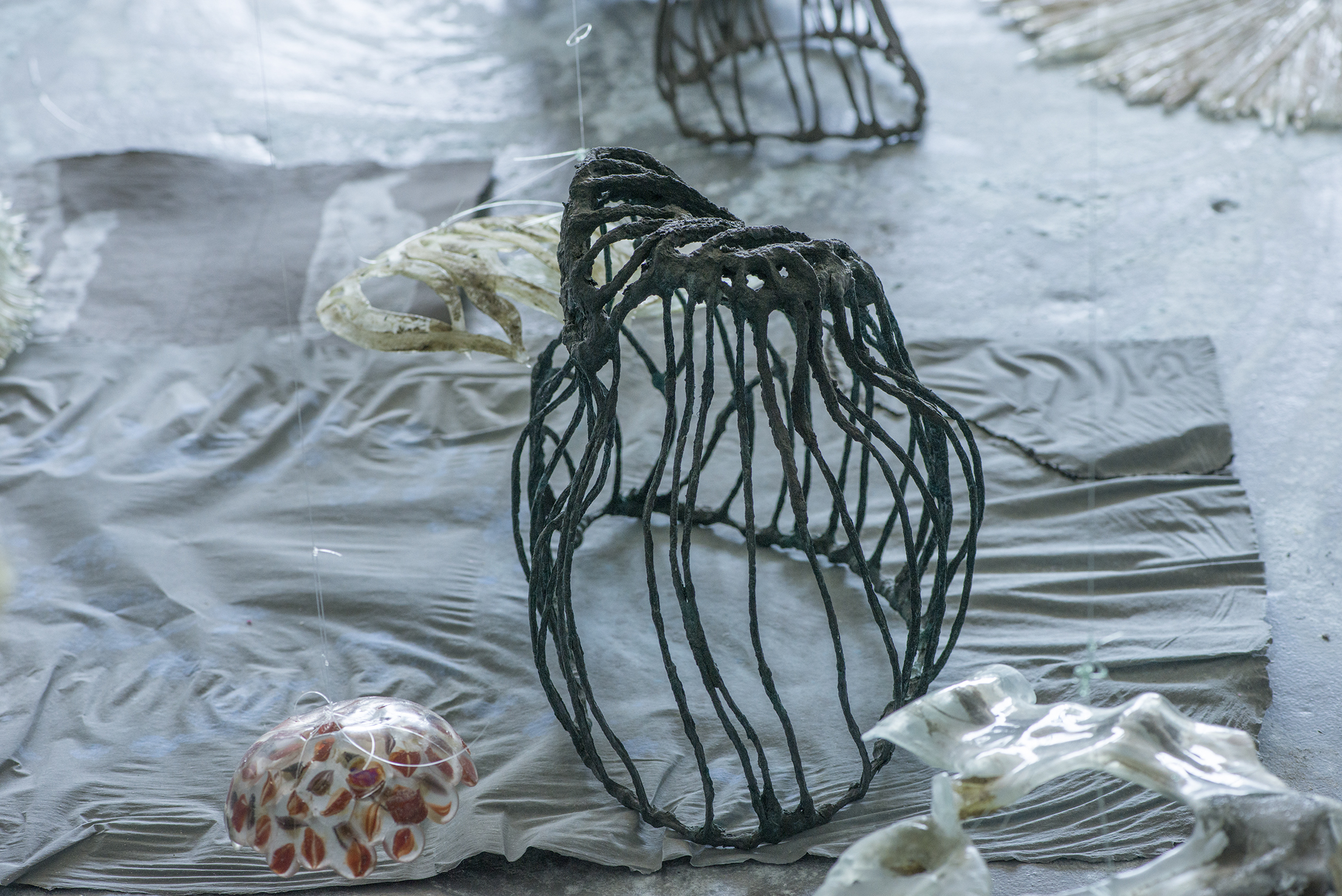
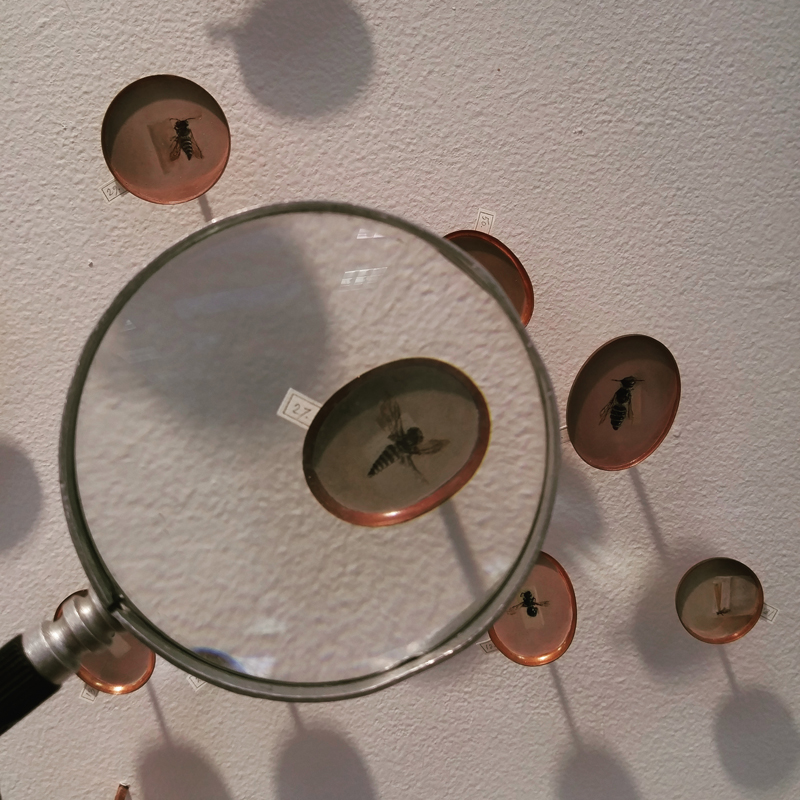
The Mountain and the Bumblebee
Open Spaces:
An Art in the Open Exhibition
Nine artists extend our art gallery on to the trails this summer, with installations including string and ribbon sculptures which transform natural places and meditation shelters. Each installation creates a new space to reflect on our relationship with the world around us and opens up insights on the artistic process. These works, both indoors and on the trails, were created last May along the Schuylkill Banks as part of Art in the Open, a public art program inspiring new ways of seeing the Schuylkill River and the city it runs through. During Art in the Open, artists spent three days creating works in public, their creative process visible to the thousands who pass through the Schuylkill Banks each day. At the reception, we�ll offer artist talks and light refreshments in the gallery, along with a guided walk to the outdoor installations. Art in the Open is a citywide event that celebrates artists, their inspirations for creating art, and their relationships with the urban environment. Exhibition on view: June 1 � July 25. Open Spaces is the last in a series of Art in the Open exhibitions held from summer 2014 through summer 2015 at the Center for Emerging Visual Artists, the University City Arts League, and the Schuylkill Center. Open Spaces features work by Nancy Agati, Harry Bower, Ellen Brooks, Josh Harris, Aaron Lish, Pazia Mannella, Sandy Sorlien, Susan Wilson, and Wendy Wolf.
Inhabiting the Edge:
WetLand
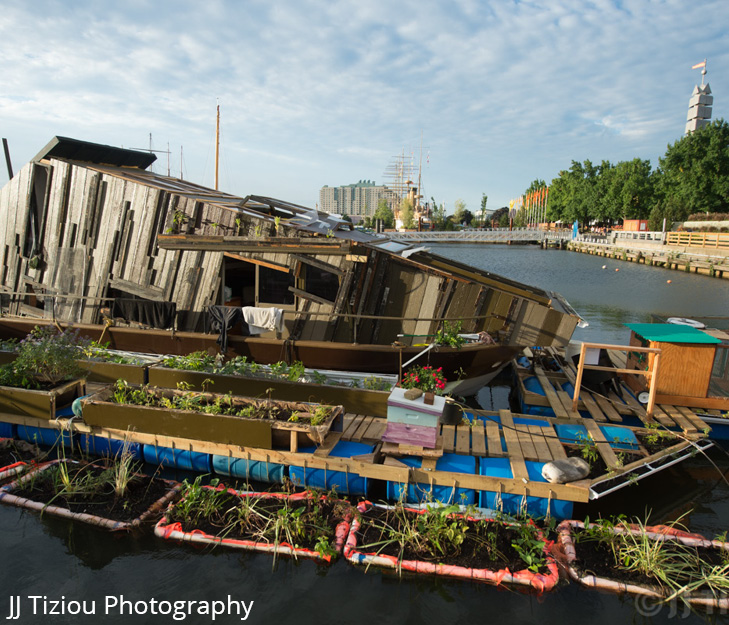
This gallery show contains concept drawings and preconstruction sketches, photographs and documentation of WetLand from August-September 2014, and artworks created by artists who were in residence aboard WetLand. Inhabiting the Edge: WetLand and the Fourth Annual Richard L. James Lecture given by Mary Mattingly were supported in part by the Pennsylvania Partners in the Arts program of the Pennsylvania Council on the Arts, a state agency funded by the Commonwealth of Pennsylvania and the National Endowment for the Arts, a federal agency. Support also provided by PECO. This program is administered regionally by the Greater Philadelphia Cultural Alliance.
Process & Progress: A LandLab Gallery Show
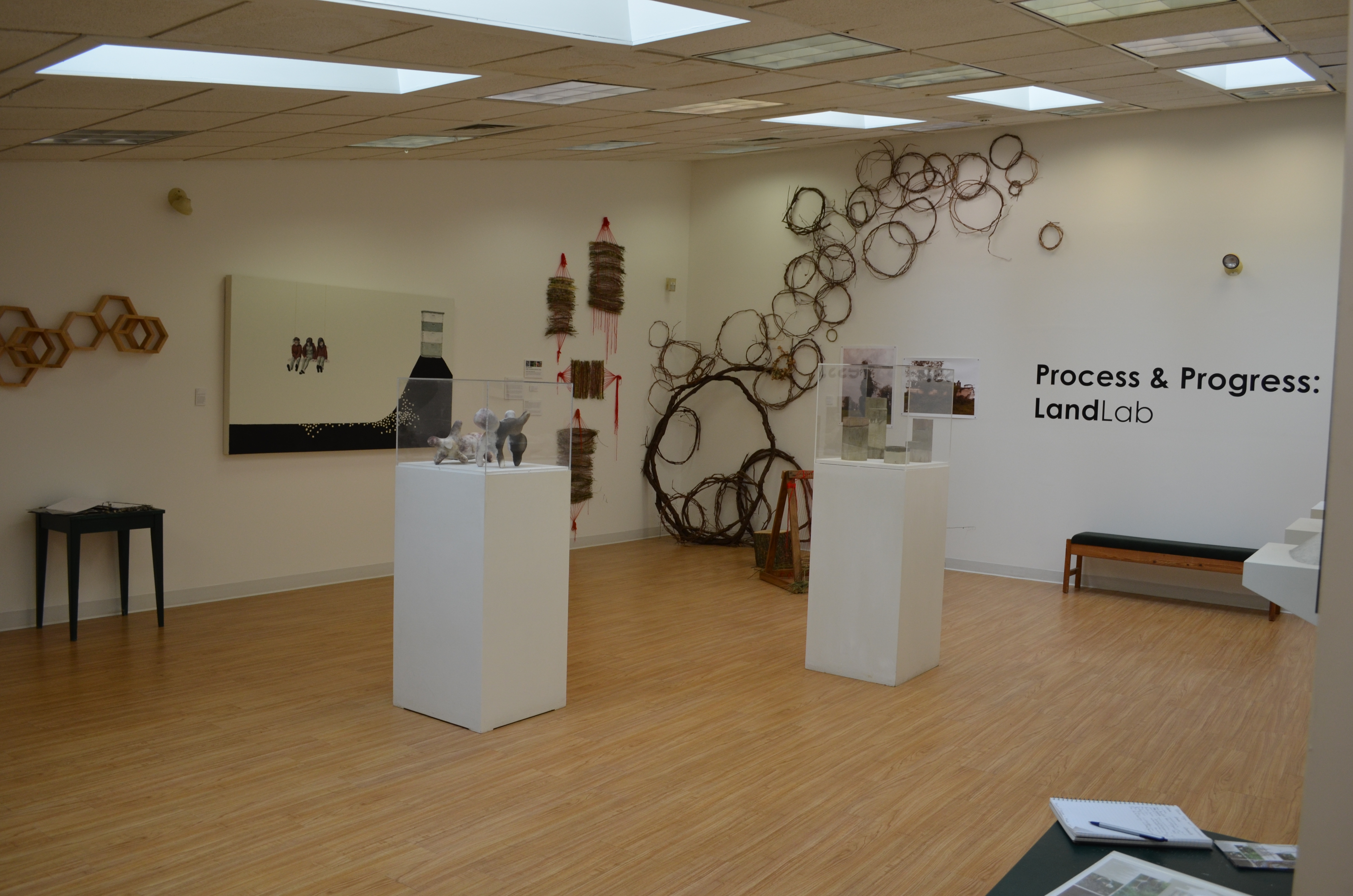
The Schuylkill Center presents Process & Progress � a gallery show that serves as the midway check-point for the LandLab residency. Since being awarded the residencies in spring 2014, the LandLab artists have been investigating, engaging, and creating as they explore ecological challenges on the Schuylkill Center property � stormwater, invasive vines, declining pollinator populations, and disruptions to soil formation. This gallery exhibition showcases not only their work so far, but that other, often more hidden element: the artistic process itself. The gallery contains diversity of work in various stages from all seven LandLab artists:
Jake Beckman;
Leslie Birch;
Marguerita Hagan,
B.H. Mills, and
Maggie Mills; and
WE THE WEEDS, a collaboration of artist
Kaitlin Pomerantz and botanist Zya Levy. Glimpse what the artists have done so far for their LandLab
residency, what their early explorations have revealed, and where they intend to push their work. Also
on view is related, completed artwork by the LandLab residents that shows the trajectory of their practice
in environ�mental art and contextualizes their current LandLab work.
LandLab is an environmental art residency program that integrates art, ecological restoration, and public engagement, and is a joint project of the Schuylkill Center and the Center for Emerging Visual Artists (CFEVA). Support for LandLab is provided by the Knight Foundation, the National Endowment for the Arts, the Pennsylvania Council on the Arts, PECO, the Dolfinger-McMahon Foundation, and the William Penn Foundation.
Water Wise
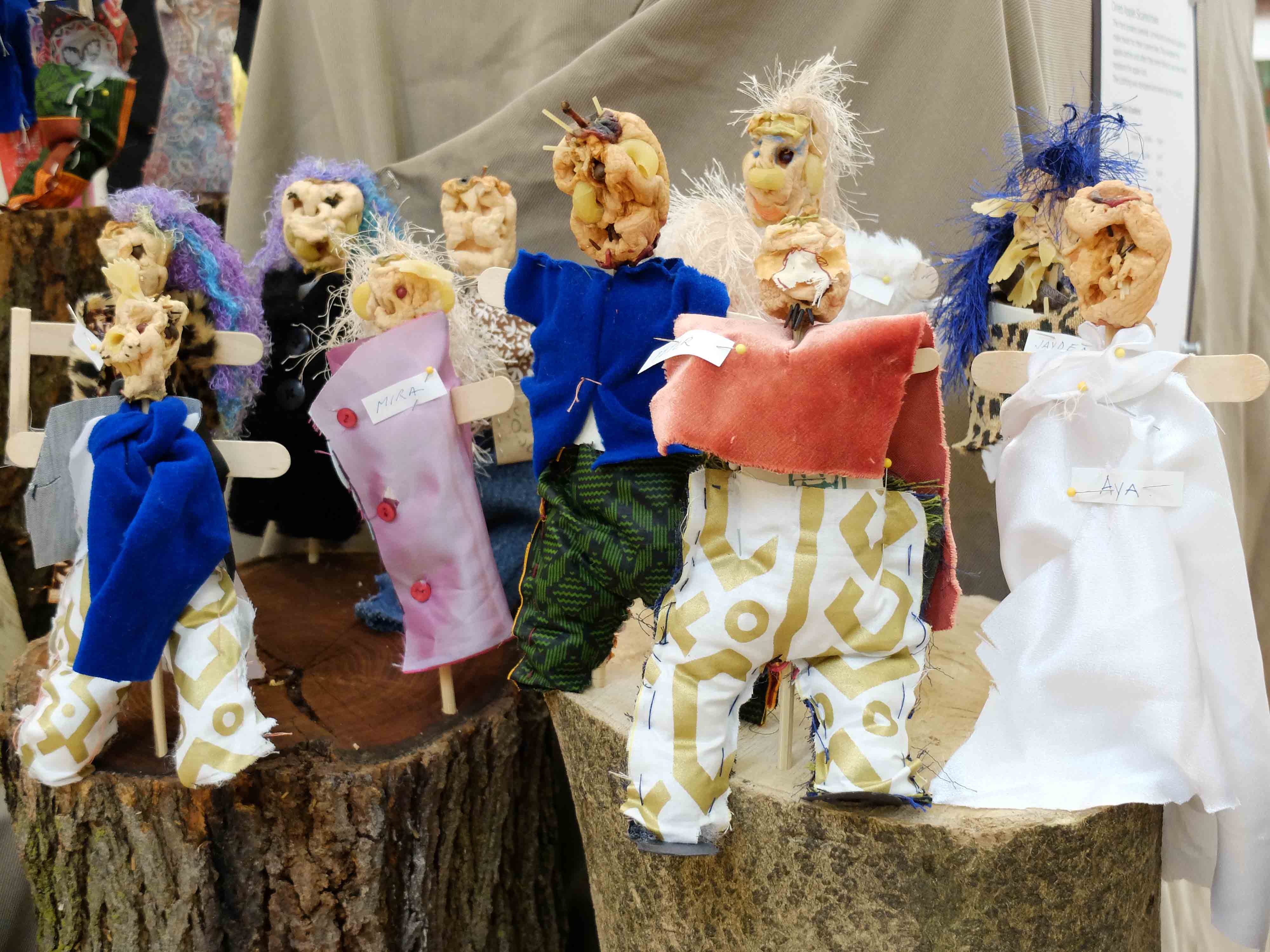
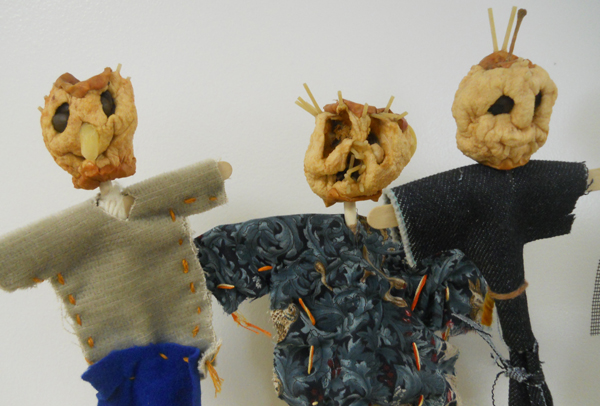
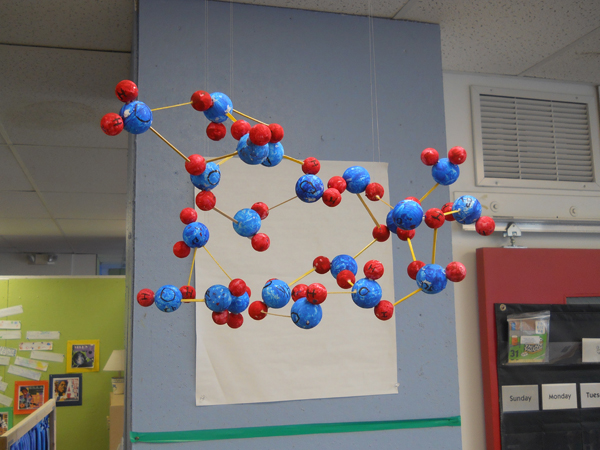
For this exhibition, the children explored a range of work and media around water, its function in ecosystems, and its importance to life. The students worked collaboratively to create large-scale felted murals depicting the water cycle. Students also created apple scarecrows, sewing their clothes and figuring out how many grams of water evaporated from the apples that serve as the scarecrows� heads. They also explored cyanotypes, walnut ink drawings, and botanical illustrations with watercolor pencils.
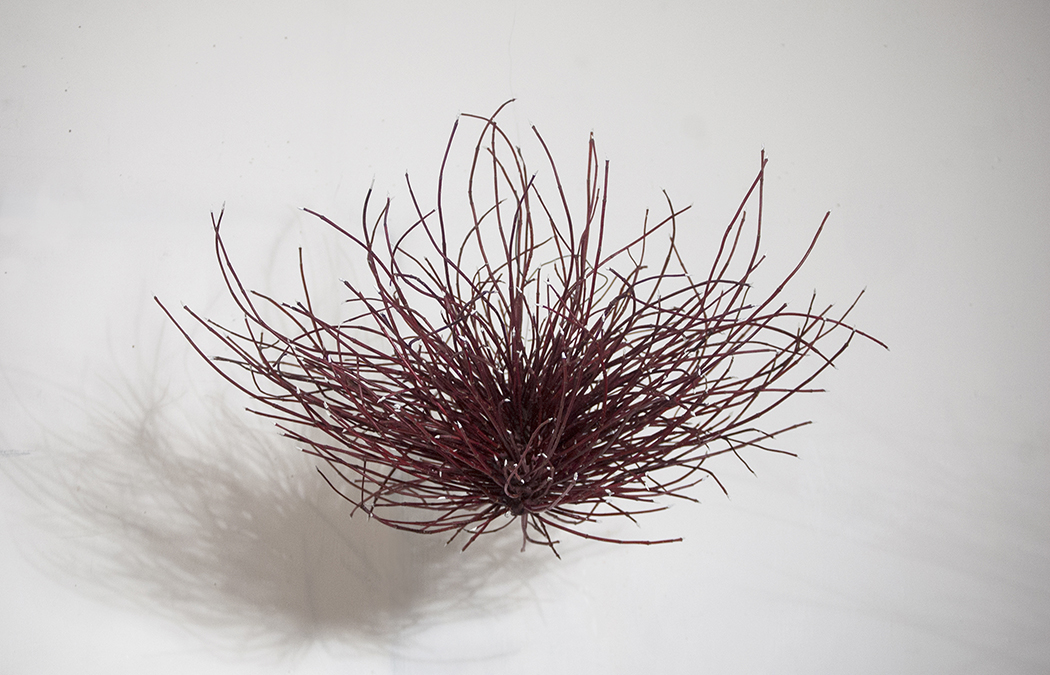
Agati and Potsic draw elements of nature into their work, giving voice to the natural world and putting it in dialogue with both the viewers and the artists themselves. Potsic�s photographs and installations focus on the intersection of the socio-political and natural worlds, challenging the viewer to question stereotypes, cultural norms, and politics. Endangered Seasons highlights the change of seasons as indicators of ecological wellbeing, while the Made in China winter series utilizes seductive beauty to encourage grappling with difficult issues. Agati�s sculptural installations use natural materials to create forms which resonate with the patterns, shapes, and complex structures of the natural world. She investigates growth patterns in nature by playfully rearranging collected reeds, branches, and seed pods into forms reminiscent of winter�s decorative ornamentation. Whether it is Agati�s striking sculptures, Potsic�s photography, or their interaction that transports you, Frost creates a world that is both uniquely its own and deeply connected to its inspiration: our natural world.
Kaizar wanted to �compose a showcase for these imperiled creatures, capturing their wide range of forms, patterns, textures and personalities.� This exhibition presents an engrossing and alarming number of animals in danger of extinction, in their intricate and beautiful detail. While it is a chilling reality, we believe recognizing and celebrating these vulnerable life forms is an essential part of increasing public environmental awareness. The Schuylkill Center works tirelessly to maintain our land as a protected haven for hundreds of species, and we operate a full-time wildlife clinic to care for and rehabilitate sick, injured and orphaned wildlife native to our region. While this exhibition does not limit itself to only local species, we are keenly aware of the danger our local wildlife faces daily. To ensure accuracy, these drawings are periodically reviewed by an extremely helpful and generous group of biologists: Dr. Benjamin Keck, a post-doctoral associate at the University of Tennessee at Knoxville; Kristen Kuhn, a research affiliate at the U.S. Dept. of Agriculture; Dr. Thomas Near, associate professor at Yale University and curator of the Yale University Peabody Museum of Natural History; and Greg Watkins�Colwell, collections manager of Herpetology & Ichthyology at the Yale University Peabody Museum of Natural History. Working from photographs Kaizar creates these pen and ink drawings while riding the train to and from work. For more of Kaizar�s work, please visit http://www.sarahkaizar.com.
Paintings by Maggie Mills 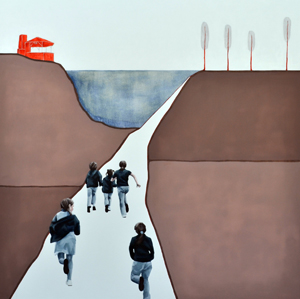
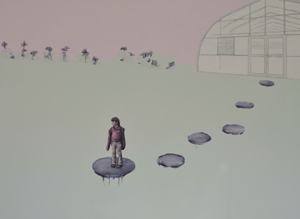
Maggie Mills brought her distinct eye for children and the spaces they inhabit here last spring. She observed SCEE�s afterschool program, the Monkey Tail Gang, and created this series of evocative portraits of the nature center�s unique spaces and the kids who enjoy them daily. Juxtaposing simplified, graphic landscapes with realistic figures, Mills� large oil paintings explore the children�s special relationship to their second home. Mills is a current fellow with the Center for Emerging Visual Artists Career Development Program (CEVA) and has exhibited widely in Philadelphia and elsewhere. She received her BFA from Tyler School of Art and her MFA from the Pennsylvania Academy of Fine Arts. Our Monkey Tail Gang After School program is guided by our belief that unstructured free play in nature, can be as important to a child's growth and development as time spent in the classroom. Monkey Tail Gang children learn from and are enriched by the natural beauty of our 240 acres of woods, streams, ponds and meadows. Artist statement The natural world has become a secondary home for most of us, with the developed world structuring our lives. The decomposition of nature and industry and the perceived fragmentation of time and space due to technology define our environment. The young navigate these inherited spaces often with little guidance. The Schuylkill Center acts as a second home for the children who attend its afterschool program. Although the imposition of the man-made is measured and beneficial at the Schuylkill Center, humanity�s mark is present. These marks, made largely by adults, affect the spaces where children play, learn, and develop into future architects of the environment. In Second Home, this narrative is articulated through the deletion, expansion, or simplification of elements of the literal world. - Maggie Mills, 2013 For more images, please visit:
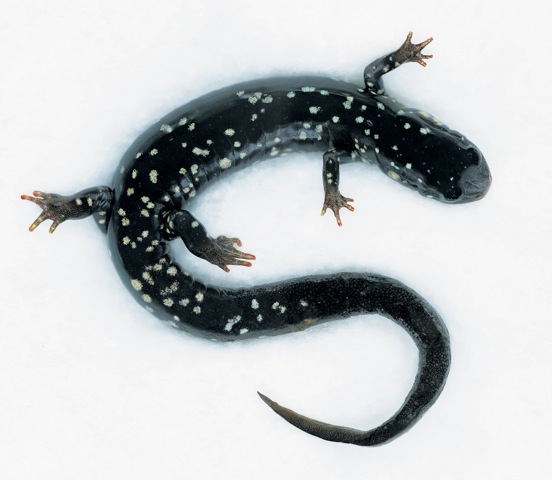
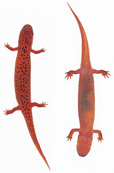
SALAMANDER is the common name for about 550 species of amphibians with tails. They include all the members of the order Caudata, which includes newts, sirens, mudpuppies, olms, amphiumas, hellbenders and others. The name salamander is derived from an old Arab/Persian word meaning �lives in fire,� stemming from an old belief, (false of course), that the salamander could walk through fire and remain unharmed. This myth may have originated from the bright skin colors resembling flames that some salamanders have. Salamanders are extraordinary survivors and have been on this earth for over 160 million years. Over the last 50 years, over 200 species of amphibians throughout the world have declined markedly in numbers, with reports of 32 species extinctions. In many instances, these declines are attributable to adverse human influences acting locally, such as deforestation, draining of wetlands, and introduced species. Salamanders are important animals in our world, not only because they are fascinating and beautiful, but also because they serve as warnings of environmental stress: essentially functioning as ecological alarms. Amphibians are very sensitive to their environments and populations begin to decline when the balance of their habitat is disrupted. Since, 1998 Stanley and Brandon have collaborated on art and science projects (both as artists and biologists in their own right). A central focus of their collaborative efforts has been to create amphibian-themed artworks to inspire viewers to learn more about these fascinating creatures. Likewise, an underlying conceptual mission is to increase public awareness and understanding of biological phenomena and environmental concerns while challenging viewers both aesthetically and intellectually. Through their scientific collaborations they have made important discoveries about the reasons for developmental deformities among wild populations of amphibians, such as parasitic infection and predatory injury. The salamander �portraits� in this exhibition were made as part of their Rockefeller Foundation Fellowship at the Institute for Electronic Arts, School of Art and Design New York State College of Ceramics at Alfred University, Alfred, New York during 2000 through 2001. They have shown these works nationally and internationally including at exhibitions in Canada, China, England, Italy and elsewhere.
Photographs by Jennifer Hynes 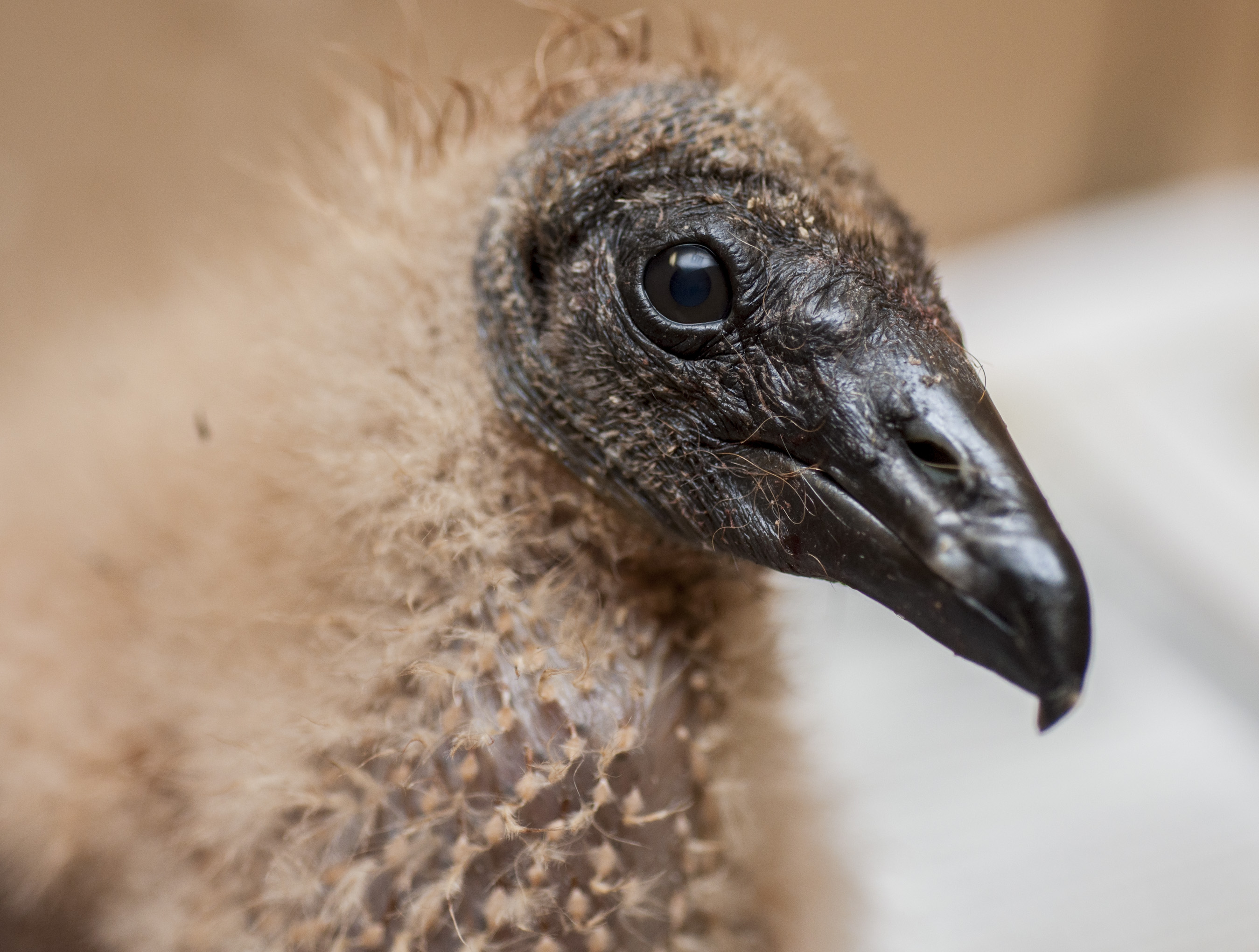
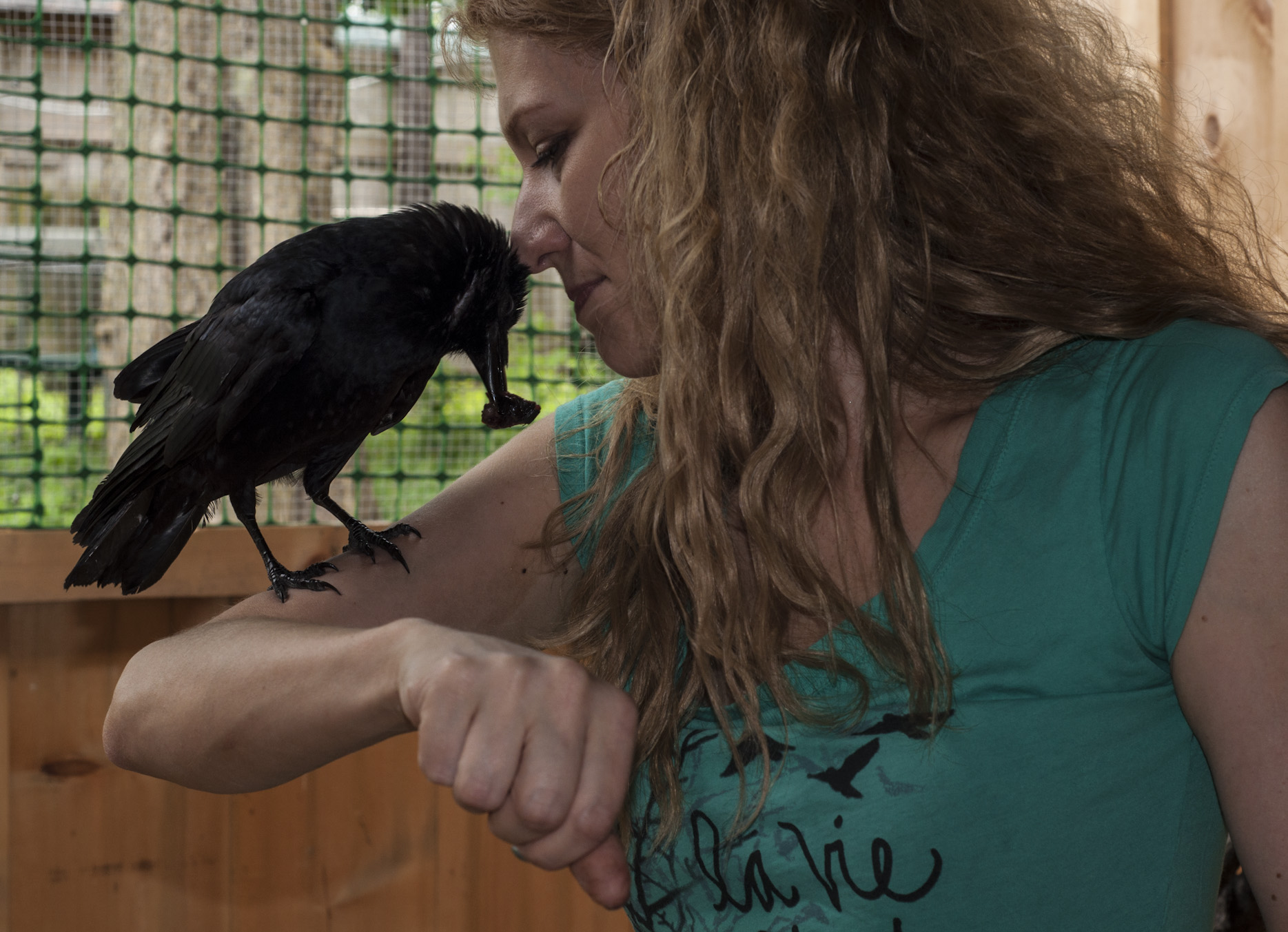
The wildlife clinic was founded in 1987 to help animals in our area that are harmed or injured. The only similar institution in a four-county area, the clinic sees some 3,400 animals a year. Our clinic staff works around the clock to bring these animals back to health and return them to their natural home. On rare occasions, certain animals whose injuries mean they are not able to return to their native habitat become �education ambassadors,� appearing at programs and events and helping us teach about the natural world. This summer, photographer Jennifer Hynes spent hours and hours at the wildlife clinic photographing its animals, people, spaces and landscapes. Her time there resulted in a deep understanding of the caring attention given to each and every animal that needs help. These images portray the dedication and love with which clinic staff and volunteers bring animals back to health. The Schuylkill Center is proud to honor the wildlife clinic�s 25th anniversary with this beautiful and inspiring exhibition. Rescue is the inaugural exhibition in our brand new environmental art gallery. For over 11 years, our environmental art program has presented exhibitions inside and out. This gallery will allow for larger, more diverse indoor exhibitions. Essential to the cultural community of Philadelphia, we are the only venue devoted entirely to environmental art. We invite you to stay in touch and return for each new show!
About the artist
Opening reception - Saturday, October 20, 2012
Presented by the Schuylkill Center for Environmental Education and The Center for Emerging Visual Artists. Featuring: Susan Benarcik, Ana B. Hernandez, Brooke Hine, Darla Jackson, Mami Kato, Scott Pellnat and Caleb Nussear 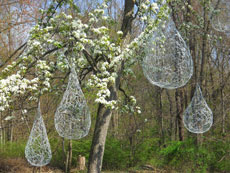
Susan Benarcik 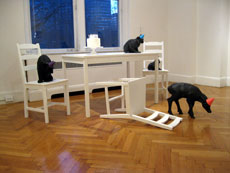
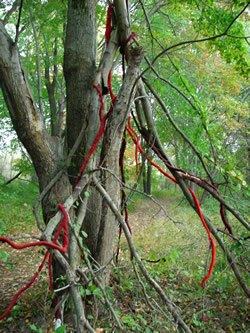
Darla Jackson Exported from a studio, these works begin a new life outside, elsewhere, and against a backdrop of the very thing they were inspired by - the natural world. Familiar forms typically seen outdoors - Susan Benarcik's droplets, Ana Hernandez's bright red fabric fungi, and Scott Pellnat's giant boat trapped in the woods are recreated and recontextualized. Other work plays with the natural elements, giving a viewer a new perspective on the familiar landscape. Mami Kato's work floats on the Fire Pond, and Caleb Nussear plays with mirrors, layering the visual experience of the woods. Darla Jackson's "Birthday Party" enlivens our indoor gallery space, as a way to welcome visitors and mark the the 25th anniversary celebration of the Schuylkill Center's Wildlife Rehabilitation Clinic, which treats and rehabilitates thousands of animals each year. Out of Bounds will be installed all around the Main Building: in our Fire Pond, our indoor gallery, at the edge of our picnic grove and in our new Sensory Garden. This exhibition brings a new experience for a new summer at the Schuylkill Center. Curated jointly by SCEE's Director of Environmental Art, Jenny Laden, and CFEVA's Director of Career Development, Amie Potsic, Out of Bounds renews a partnership between the two organizations that began in 2008, with the exhibition Ghosts and Shadows. More information about CFEVA, http://www.cfeva.org/
About CFEVA
All the artists in this exhibition are Current Fellows or Alumni of CFEVA's Career Development Program Fellowship. Artists are selected for CFEVA’s highly competitive Fellowship by its renowned Board of Artistic Advisors. While active in the program, the artists have opportunities to experience a full exhibition schedule, receive career counseling and mentorship, earn money from the sale of their work, teach in the community, and participate in numerous professional development opportunities.
Opening Reception - Saturday, June 23 from 5:00 to 7:00 pm
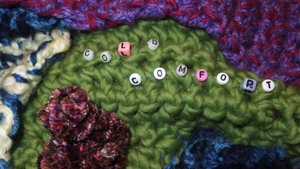
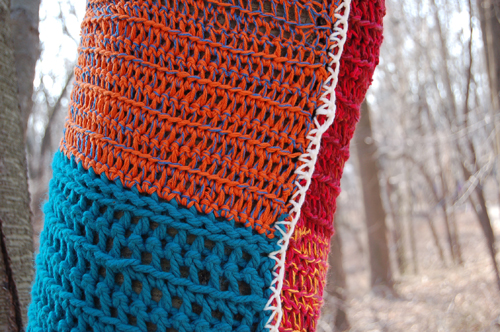
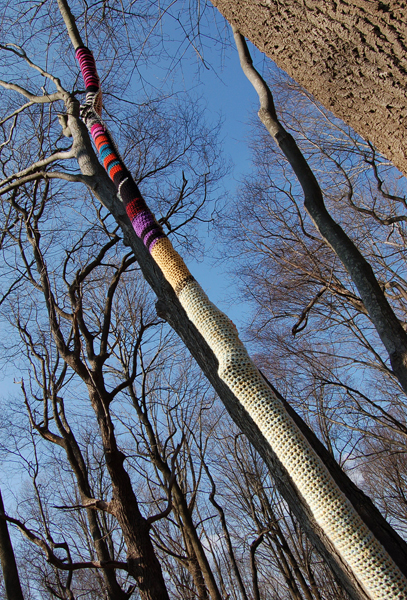
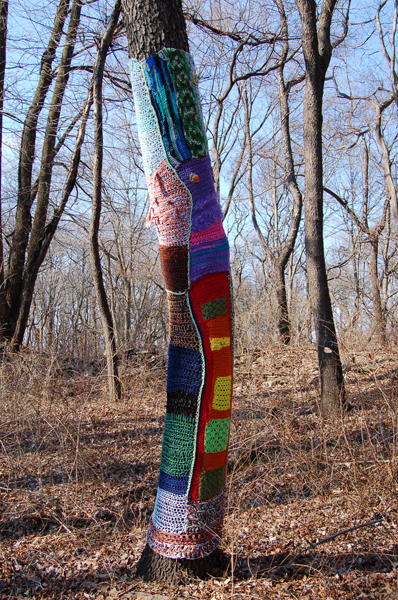
Philadelphia-based artist Melissa Maddonni Haims "knit bombs" the Schuylkill Center, enlivening the brown and grey winter landscape by wrapping tree trunks with brightly colored yarn cozies. Funny, bright and engaging, this installation entices winter travelers to stroll the woods and see them anew. A small indoor exhibit of works created from recycled, reused and reclaimed materials complements the outdoor installation. Knit or yarn "bombing" has made an international splash in the last few years. The genre blends the crafts of knitting and crocheting with site specific installation, transforming public objects such as fire hydrants of bike racks into clever street art. The Schuylkill Center presents Haims� work on its driveway and main trails as a way to literally warm up the woods for trees and viewers alike. Read more about Ms. Haims on her website at:
Learn about yarn bombing at http://yarnbombing.com/. Opening Reception: Knitty Gritty Day, March 10, 2012 The Schuylkill Center will host a special fiber craft event and opening artist reception on March 10, 2012. Knitty Gritty Day will feature knit and crochet workshops for all ages from 1:00 � 3:00 pm, followed by the reception and tour of the exhibit from 3:00 -4:00 pm. 
Flock
|
|
|
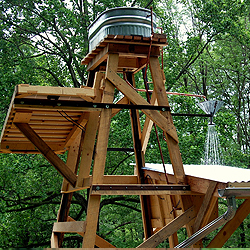
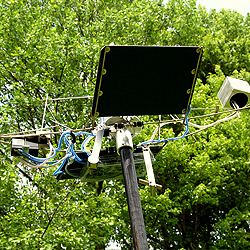
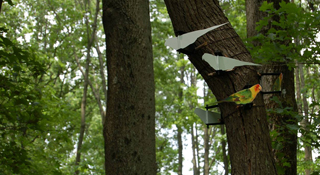
| Rain Machine by Joe Chirchirillo | Sun Birds by Mark Malmberg |
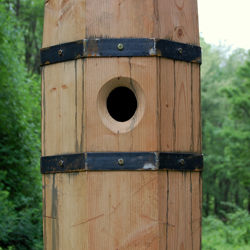
|
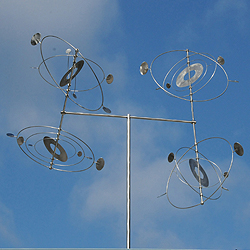
|
| Solar Drone by Patrick Marold | Aero 2010 by Moto Ohtake |
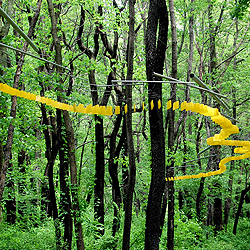
|
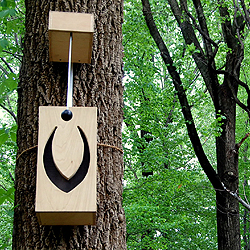
|
| Yellow Zinger by Tim Prentice | Solar Thumpers by Jason Krugman and Christian Cerrito |
On May 12, 2010, Elemental Energy artists Jason Krugman and Christian Cerrito taught a Solar Bugbot Workshop.
Held at Art in the Age in Old City Philadelphia, participants learned how to construct a circuit that
gathers solar energy and releases it in bursts, and then use it in the creation of a small, light-powered,
vibro-bot. These Bugbots respond directly to the intensity of the light that they are exposed to, using
solar energy to power two vibrating pager motors. On a sunny day they skitter about frantically...On
cloudy days they move intermittently as they build up energy.
May 1-September 26, 2010 -When art is powered by nature
http://www.youtube.com/watch?v=ghqVf1jaKSg
-Solar Sonic Trail in Philadelphia
http://vimeo.com/12283736
-Rain
http://www.youtube.com/watch?v=_HEgjdNQ7v8
-Rain machine 2
http://www.youtube.com/watch?v=jG77LumnqOA&feature=related
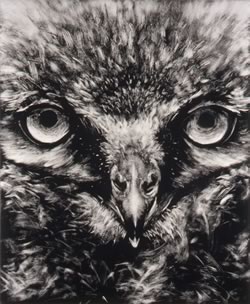 Nest and Branch: A juried Gallery exhibition on Birds and their Habitats.
December 5, 2009 – April 3, 2010
View info
Nest and Branch: A juried Gallery exhibition on Birds and their Habitats.
December 5, 2009 – April 3, 2010
Artists’ Talk in Conjunction with Citizen Science Lecture on Birds
Thursday, March 4th, 6:30 pm
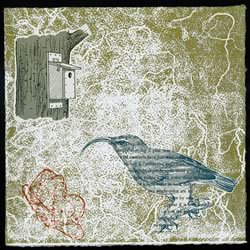
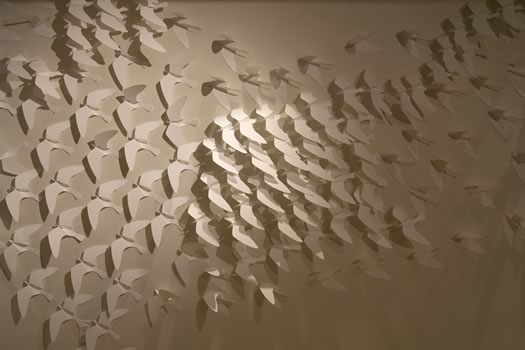
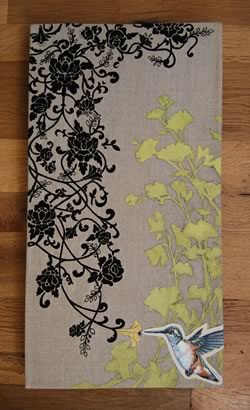
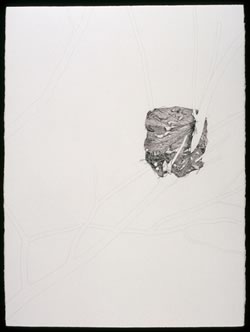
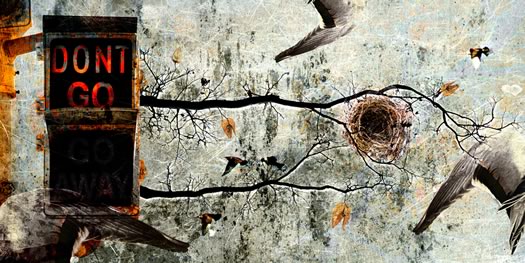
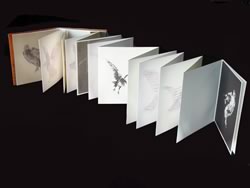
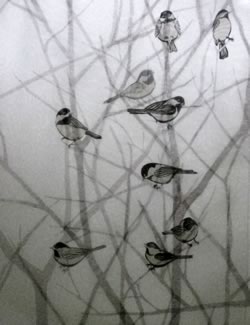
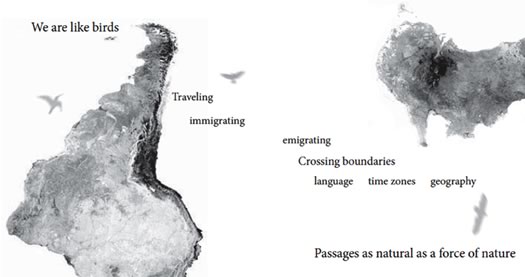
Nest and Branch features artwork that explores the realities and mysteries of birds. The nine artists represented in this exhibition have taken their inspiration from The Schuylkill Center’s 365 acres of woodlands, fields, streams and ponds, which serve as an oasis for birds in Philadelphia. The works in the exhibition use printmaking, drawing, painting, digital media, installation art, and book arts, to explore themes of migration, flocking, and nesting, as well as presenting imagery relating to endangered and extinct species.
Exhibiting Artists:
Linda Byrne
Valerie Carrigan
Matthew Derezinski
Kelly Franklin
Kirsten Furlong
Mara Scrupe
Marisha Simons
Elysa Voshell
Michelle Wilson
Nest and Branch is curated by Zoë Cohen, Art Program Manager, The Schuylkill Center
 Down to Earth: Artists Create Edible Landscapes
September 12th - November 23rd 2009
View info
On View through Fall 2010.
At The Schuylkill Center’s
Second Site,
at the corner of Port Royal Ave and Hagy’s Mill Rd.
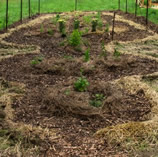
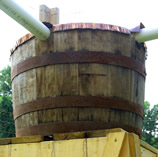
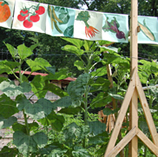
Down to Earth: Artists Create Edible Landscapes is an exhibition that highlights the growing focus and emergence of “green” principles and sustainability in relationship to food, art, design and agriculture. The exhibition will include six artists or artist teams who are all working to create socially engaging interventions in the landscape related to food and agriculture, creating an aesthetic and cultural link between art and farming.
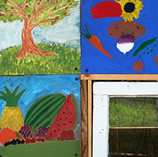
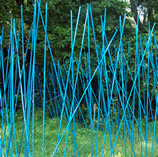
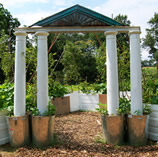
Participating organizations include: The Waldorf School of Philadelphia, Lankenau School, Manayunk Academy, Teens for Good, ArtReach, Philadelphia University Engineering and Design Institute, and the Green Woods Charter School.
Additional participation in the form of donated services and resources include: Art In City Hall, Philadelphia Orchard Project, Urban Girls Produce, Mill Creek Farm, Weavers Way, Greensgrow Farm, and Re-Store salvage.
 A Rake's Progress
June – December, 2009
View info
A Rake's Progress`
June – December, 2009
An Agrarian Morality Tale
An Installation of Eight Sculptures
June � December 2009
At The Schuylkill Center�s Second Site at Brolo Hill Farm
Corner of Port Royal Ave and Hagy�s Mill Rd.
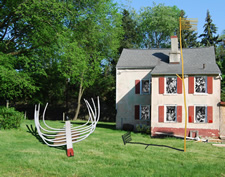
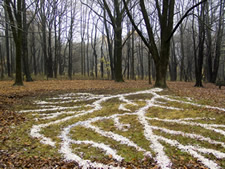
Artist-in-Residence Gary Miller presents an installation of eight large sculptures at The Schuylkill Center�s mid-nineteenth century farm site, Brolo Hill Farm, along with ten graphic and didactic panels in the farmhouse window frames. The sculptures, constructed primarily from tree limbs and branches collected from The Schuylkill Center�s 365 acres, will visually reference and celebrate wooden farming tools commonly in use during the 1800�s.
Simple, efficient and beautiful, these tools were most often handmade by local tradesmen or the farm families themselves, and those few implements that remain today carry the patina and wear from years of service and care. In keeping with the location and theme, the artist relied mainly on woodworking tools similar to those used by the plowrights, wainwrights and blacksmiths from that period in Brolo Hill Farm�s history and will construct the eight pieces on site.
These rural contrivances no longer perform a task or carry their weight (mandatory of all things on a farm, living or inanimate). Their function, like their location and value to their community has shifted. They have become teachers and storytellers and, to some, undecipherable codes. They have become allegorical.
The project also alludes, perhaps with a touch of ironic misdirection, to William Hogarth�s (1697-1764) print series, �A Rake�s Progress� � referring to a different type of rake from a different country and a different time. This will be one element in the installation of visual and historical references presented as �windows� in the Brolo Hill farmhouse.
 Ephemerality
January 12 – April 12, 2009
View info
Ephemerality
January 12 – April 12, 2009
Opening Reception: Saturday January 17th, 5-7 pm
With an Artists’ Talk at 6 pm
Artists:
Nancy Agati
Torkwase Dyson
Jenn Figg &
Tatania Ginsberg
Sarah Phillips
Matt Pych
Theresa Rose
Claudia Sbrissa
 Ephemerality is an experimental gallery exhibition that explores ways in which art, communication,
and technology can be used to create a greater sense of connection and meaning within reclaimed wild
spaces, natural time, weather, and seasons. In this exhibition, artists will present works that directly
reflect the impact that 24 hours on the land of the Schuylkill Center can have on their own awareness,
creative process, and use of visual material.
Ephemerality is an experimental gallery exhibition that explores ways in which art, communication,
and technology can be used to create a greater sense of connection and meaning within reclaimed wild
spaces, natural time, weather, and seasons. In this exhibition, artists will present works that directly
reflect the impact that 24 hours on the land of the Schuylkill Center can have on their own awareness,
creative process, and use of visual material.
Six artists and one artist team were selected to create temporary artworks with natural materials
on the grounds of the Schuylkill Center, with the guidelines that the artworks created must last no
more than 24 hours. The installations, sculptures, interventions, or events created were documented
by the artists using photography, video, sound, and text. These documentations of the outdoor ephemeral
artwork will comprise the gallery exhibition.
-Shadowlandscape
http://vimeo.com/5114741
-Shadowlandscape Sneak Peak
http://vimeo.com/2798640
 Gimme Shelter Semi-Finalist Designs at the Philadelphia Center for Architecture
February 1 � 28, 2009
View info
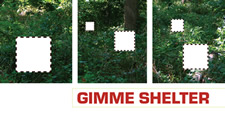
Gimme Shelter
Sustainable Design/Build Competition
Click for more info
Exhibition of the Twelve Semi-Finalist Designs
February 1 – 28, 2009
The Center for Architecture in Center City Philadelphia
1218 Arch St.
Opening Reception and Announcement of the Six Finalist Designs
Friday February 6th
6-8 pm
 Ghosts and Shadows
September 6, 2008- January 2, 2009
View info
At Second Site:Brolo Hill Farm,
corner of Port Royal Ave and Hagy's Mill Rd, Philadelphia.
Ghosts and Shadows
September 6, 2008- January 2, 2009
ART on VIDEO, Ghost and Shadows Documentary by Vincent Romaneillo
Presented in Partnership by
Artists: Jennifer Chapman, Keiko Miyamori, Kara Rennert, Marisha Simons
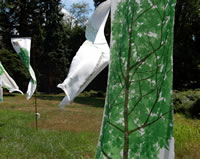
Jennifer Chapman, Keiko Miyamori, Kara Rennert, and Marisha Simons were chosen to produce site specific
installations because of their poetic sense of place. Each artist has set up a dialogue with the natural
and human constructed landscape at the Schuylkill Center for Environmental Education's Second Site
location. They have mined specific references to place and sensations of past and present using audio
as well as visual components in the construction of their works. - Warren Angle, Curator
 University of the Arts Sculpture Students
December 12th, 2008
View info
| Laurie Berenhaus | Sarah Blake | Renata Gordon |
| Alex Hollenbach | Samantha Kanelstein | Sean Langan |
| Ian Patterson | Marianna Peragallo | Eric Presendanz |
| Julia Rexon | Olatunji Richardson | Emily Schumacher |
| Joe Williams |
 SWARM
SWARM
May 22 - August 29, 2008
View info
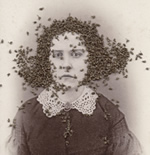
SWARM is an exhibition that draws attention to the insect world by presenting artists’ perspectives
on the relationship between insects and humans. In understanding the important role insects play
in human welfare and survival, we find new reasons to commit ourselves to the survival of all species.
SWARM presents seven artists who provide a closer look at insects’ physical beauty, habits, and
impact on the human condition, as well as a few imagined scenarios in which the insect world demonstrates,
rebels against, and confronts the stresses created by an overpopulated and over-developed natural world.
B.A. Bosaiya
KT Carney
Talia Greene
Lisa Murch
Richard Ryan
Matt Stemler
Rosalind Sutkowski
 Relics, Myths and Yarn
February 11 - April 18 2008
View info
The Schuylkill Center and The Center for Emerging Visual Artists (CEVA) presents the opening of Relics, Myths and Yarn on Saturday, March 8 from 5:30 pm - 7 pm.
Throughout history, humans have used animals, organic objects and other components of the natural world as powerful metaphors in storytelling and mythology--symbolizing worldly ideas, fears, and passions. The works featured in Relics, Myths and Yarn are five contemporary examples of iconic subjects as anchors in story, myth or tale that derive from deeply personal experiences.
There will be an artists' talk, Nature and the Creative Process at 6 pm.
Career Development Program Fellows at The Center for Emerging Visual Artists™
Darla Jackson
John Karpinski
Matthew Neff
Tara O'Brien
Serena Perrone
 Tip of the Iceberg
November 10, 2007 - January 31, 2008
View info
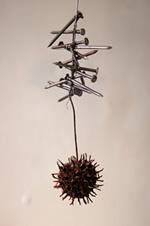
The Schuylkill Center for Environmental Education, in partnership with Philadelphia Sculptors, is hosting an exhibition of small sculptures by five artists whose art addresses the impact of climate change on our environment.
Artists in “Tip of the Iceberg” have created small scale work as an allegory for the potential change that just one individual can affect.
By combining found objects of contrasting origins, Deb Hoy juxtaposes the natural and the industrial in an attempt at co-existence, pointing a way to the possibility of post- industrial transformation and hybrid species.
Carla Liguori’s delicate grouping of cast sheep portrays the fact that all life forms share the same matter. Showing the interconnectedness between animals and humans, her work suggests that it is not only the latter that follows one another blindly.
Keiko Miyamori uses tree roots embedded in blocks of clear resin as a symbol of preservation to unite the natural with the man-made, and suggests the possibility of living in harmony.
Emily Sullivan’s delicate and poetic works made from wire and black velvet are both tender and playful and convey presence and absence. Their blackness absorbs light but also reflects on the beauty and perhaps impending tragedy of the natural world.
The fired and glazed clay works of Austin Tremellen physically convey the intensity of extreme heat, and the process of firing the clay represents the increased temperatures we feel as a direct result of global warming. The dripping and crawling glazes also resonate as metaphors for the spread of diseases caused by increasing temperatures.
 Green Machine
Keiko Miyamori, Katie Murken w/P'unk Avenue, Chris Vecchio, and featuring a documentary about the
making of Green Machine by Vincent Romaniello
May 6 – October 30, 2007
View info
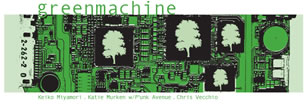
Green Machine is a multi-media based exhibition that explores the relationship between nature
and technology. Through site-specific installations and an interactive media lab, the viewer is invited
to consider three very different reactions to the surrounding landscape. The selected works place emphasis
on technology and the man-made, while simultaneously exploring the ephemeral nature of location, sound,
universality and time.
-Katie Murken: Ovation Video
http://community.ovationtv.com/_Katie-Murken/VIDEO/517570/16878.html
 Implements Implications
-Harry Anderson, Carol Cole, Linda Horn, Joel Spivak, and Burnell Yow
January 15 – April 15, 2007
View info
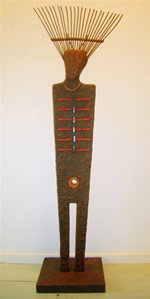
This exhibit provides the opportunity to reflect on our agrarian cultural heritage with works that incorporate used garden tools. The pieces included provide a direct link to our history. The artists in this exhibit have rescued some well worn tools and created new art objects that encompass both functionality and fun!
 Before, After, and Between: Variations of the Landscape
– Cynthia Back, Ann LaBorie, Gina Michaels, and David Taffet
September 9 – December 10, 2006
View info
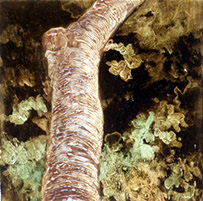
The exhibition portrays work by four artists who interpret the landscape as it is, as it should be, or how it might become. The works bring us face to face with texture, color, and form, in addition to evoking an imaginary world where man and nature are in a true symbiotic relationship.
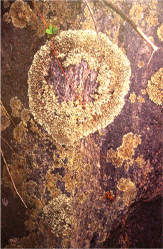 Visual Meditations – John Phillips
February 11 – August 31, 2006
View info
This presentation of images of delicate, fragile lichen formations in a large-scale format creates an environment in which the viewer becomes a participant rather than spectator. The surfaces of the rocks are aerial views of mountain plains and tundra and the fluidness of the colors moves us through the space as if floating on the water.
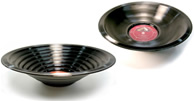 Re-Use ReFus
e– David Edgar, Ni Luh Wayan Ayu, Leo Razzi, Neil Benson, Lena Helen, Jeff Davis
Re-Use ReFus
e– David Edgar, Ni Luh Wayan Ayu, Leo Razzi, Neil Benson, Lena Helen, Jeff Davis
Ended January 7, 2006
View info
Organized in partnership with Philadelphia Sculptors, this gallery exhibition featured a new twist to the concept of conservation and preservation. Industrial byproducts and materials otherwise destined for environmentally destructive landfills took on new identities as they are creatively reincarnated into functional objects.
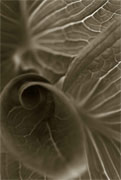 Natural Selection –Katrina Mojzesz
Ended September 19, 2005
View info
This exhibit included a collection of
photographs featuring natural objects
from the Center’s grounds.
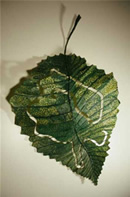 Natural Artifice –Lisa Murch
Ended June 30, 2005
View info
The work in this exhibit combined the natural and the scientific in an imaginary world created with simple materials such as: fabric, wire, egg cartons, feathers and seed pods. The work explored the complex relationships between organisms and their environments through larger than life interpretations of the micro insect world, transforming the mundane into the extraordinary.
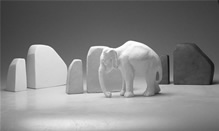 Figures, Animals, and Landforms - Laura D’Angelantonio
Ended March 30, 2005
View info
In her figurative works, isolated human figures interacted with elemental architectural and landform environments and reflected on the development and mastery of skills and knowledge to modify the natural environment.
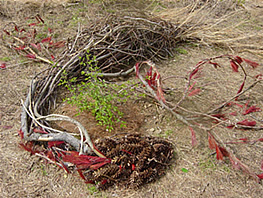 University of the Arts Students
Ended June 2005
View info
University of the Arts Students - Jee Yoon Kim, Weng Kok Lee, Marianne Contreras, Lauren LeBlanc,
Margie Manogue, Benjamin Quinn-Kerins, Jennifer Bradley, Nathaniel Butler, Jennie Johnson, Christopher
Gauvain and Alexander Stanton
Ended June 2005
As part of the Center’s educational commitment, the art program introduced a segment that encourages investigation by local university students interested in exploring environmental issues as part of their artistic vocabulary. These installations commented on issues such as historical shifts in land use, eradication of invasive species, and sustainable architecture. Working in teams the students used natural materials found at the Center.

 Going Up: Climate Change + Philadelphia
 Bryophilia: A celebration of moss through art and botany
 THIS & THAT: Nature Inspired Artwork
 The Foragers
 Hackensack Dreaming
 The Mountain and the Bumblebee
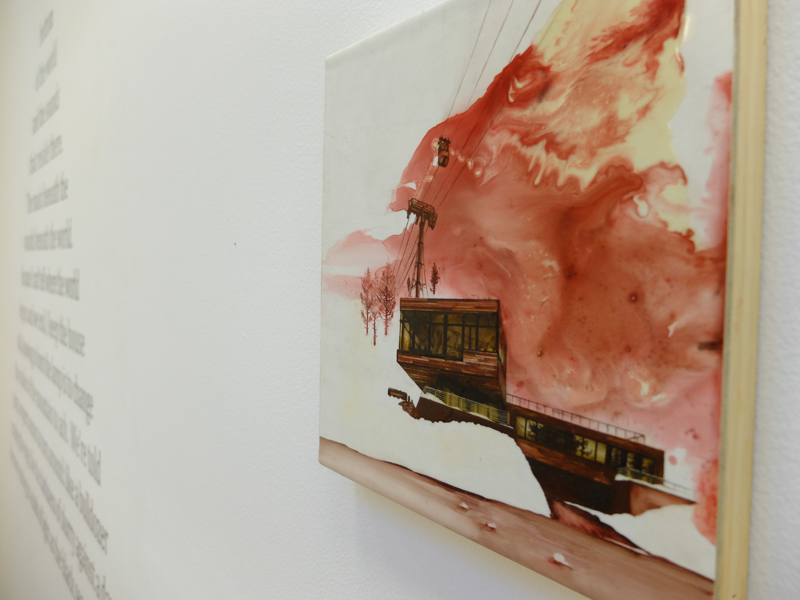
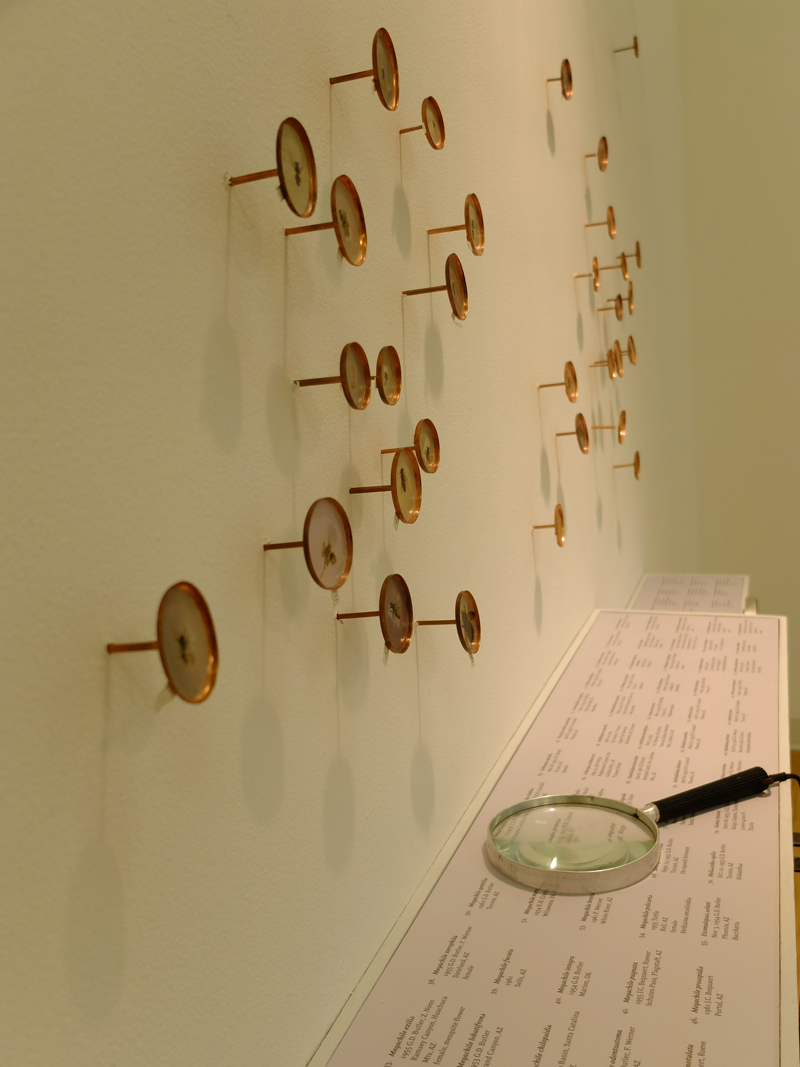 In 1842, geologist John C. Fr�mont unexpectedly encountered a bumblebee on an expedition in the Rocky
Mountains, and imagined each of them to be the first of their species ever to brave such geological extremes.
This unlikely high-altitude meeting embodies America�s unique brand of landscape nationalism, historically
attempting to reconcile both expansionist and conservationist thought. The Mountain and the Bumblebee
brings together selected works by contemporary poets and artists in a variety of media who confront notions
of landscape as both cultural icon and raw material. In this traveling exhibition curated by Indiana
University of Pennsylvania professor Chris McGinnis, artists maneuver the complex web of references contributing
to our understanding of landscape.
In 1842, geologist John C. Fr�mont unexpectedly encountered a bumblebee on an expedition in the Rocky
Mountains, and imagined each of them to be the first of their species ever to brave such geological extremes.
This unlikely high-altitude meeting embodies America�s unique brand of landscape nationalism, historically
attempting to reconcile both expansionist and conservationist thought. The Mountain and the Bumblebee
brings together selected works by contemporary poets and artists in a variety of media who confront notions
of landscape as both cultural icon and raw material. In this traveling exhibition curated by Indiana
University of Pennsylvania professor Chris McGinnis, artists maneuver the complex web of references contributing
to our understanding of landscape.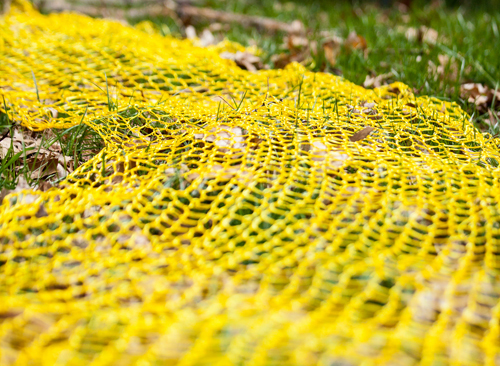 Open Spaces:
An Art in the Open Exhibition
Open Spaces:
An Art in the Open Exhibition
 Inhabiting the Edge:
WetLand
Inhabiting the Edge:
WetLand
 Process & Progress:
A LandLab Gallery Show
Process & Progress:
A LandLab Gallery Show
 Water Wise
 This exhibition features the work of third grade students from The Philadelphia School (
 Frost
Frost
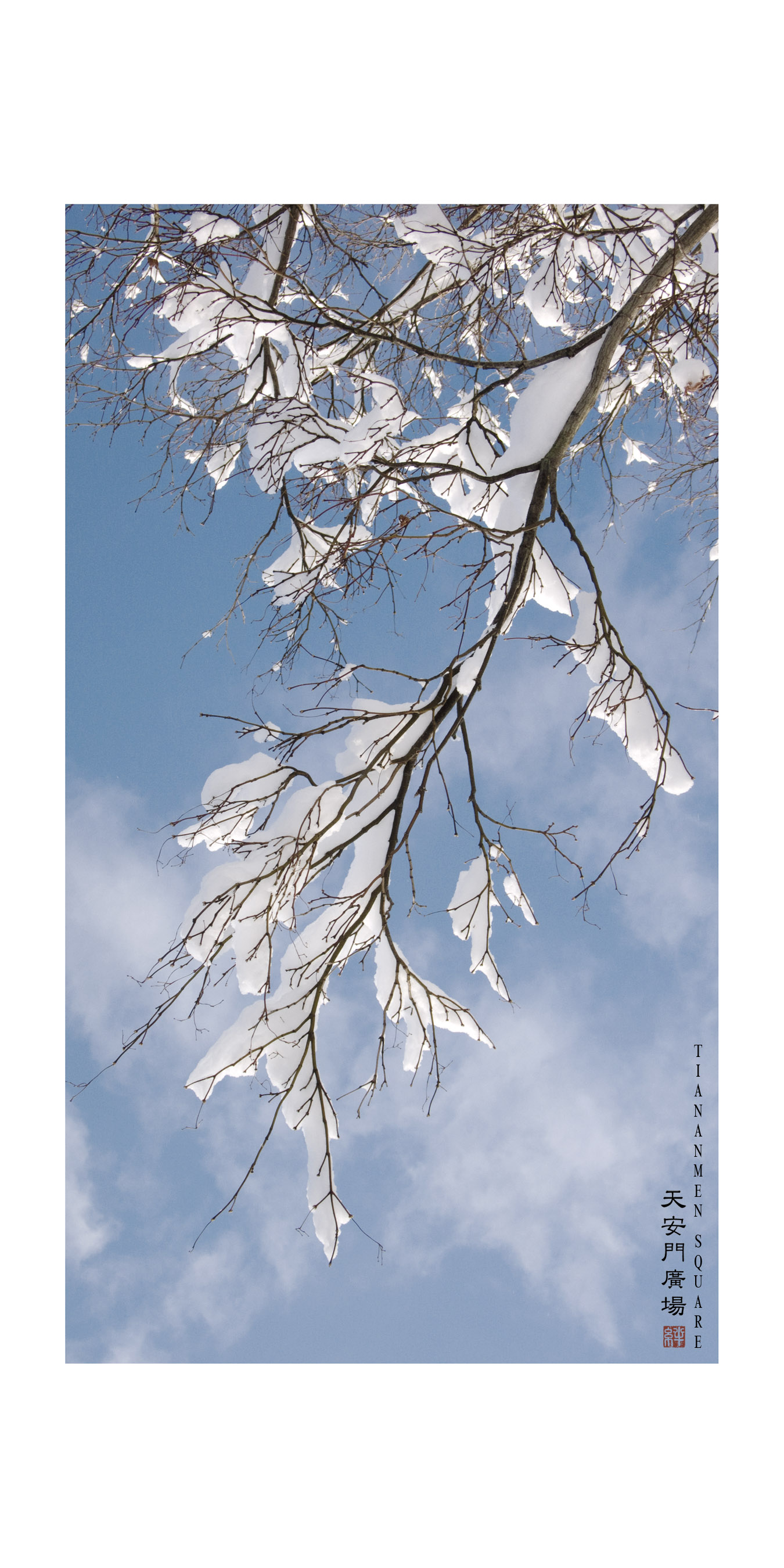 In winter, patterns emerge from the harsh relief of cold temperatures and heavy snow that illuminate
the relationship between us and the changing environment in which we live. This cold is at the heart
of Frost, in which two Philadelphia artists take on winter as their subject. Amie Potsic and Nancy
Agati delve into the meaning of winter through a mixture of photography and mixed media.
In winter, patterns emerge from the harsh relief of cold temperatures and heavy snow that illuminate
the relationship between us and the changing environment in which we live. This cold is at the heart
of Frost, in which two Philadelphia artists take on winter as their subject. Amie Potsic and Nancy
Agati delve into the meaning of winter through a mixture of photography and mixed media.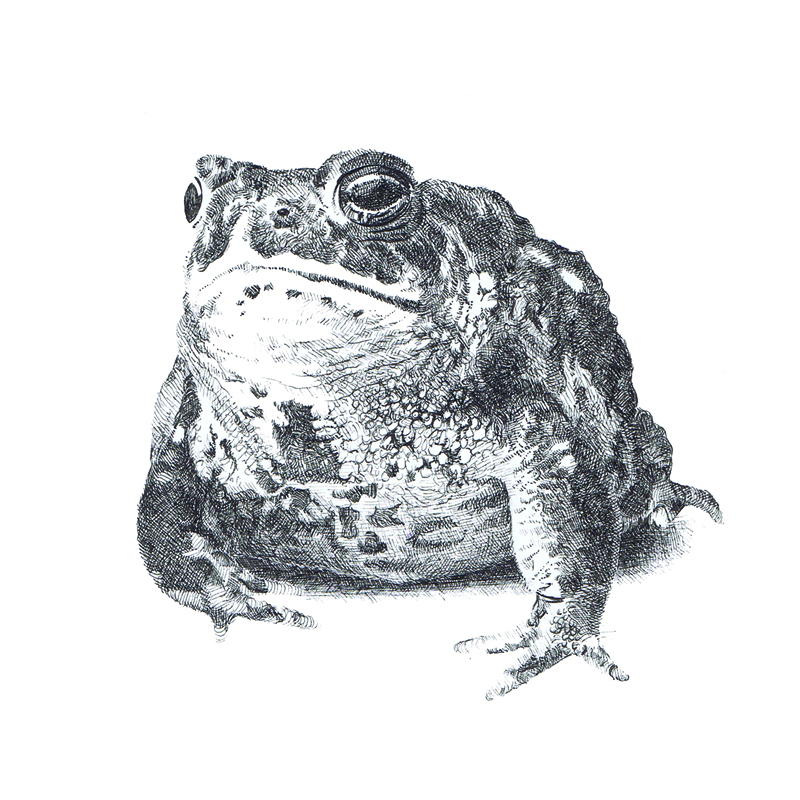 In Danger
 Cold Comfort: By Melissa Maddonni Haims
 Flock
Flock
 Facts and Fables: Stories of the Natural World
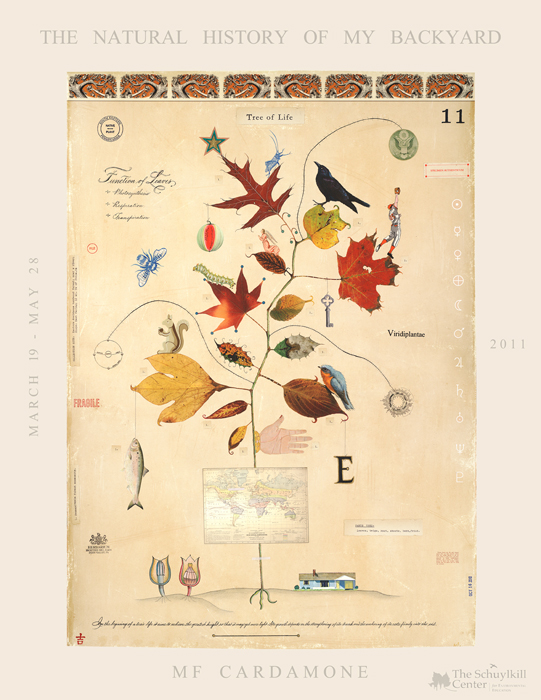
 The Natural History of My Backyard
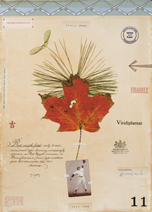
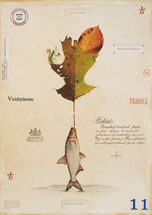
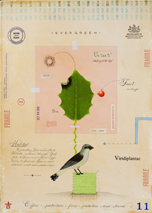 Traditional Chinese Medicine, Pop Art and Surrealism.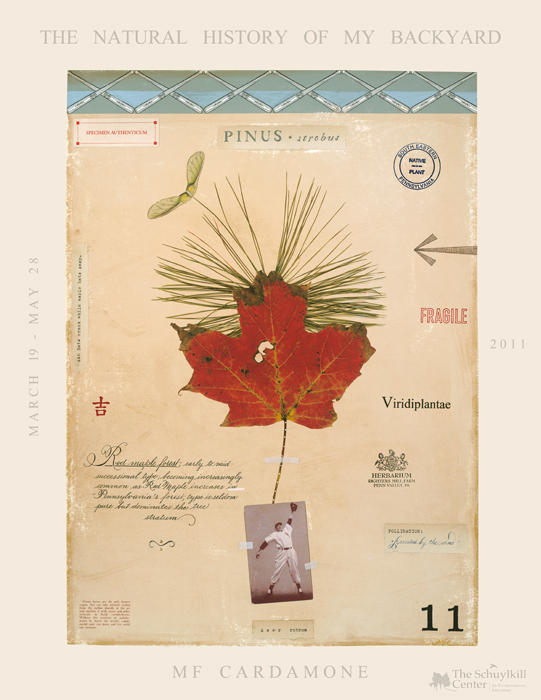
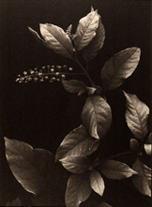
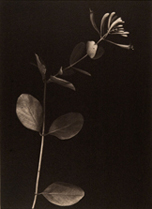
 The Natives
 Ground Play: NEXUS at The Schuylkill Center
 Going Green � New Environmental Art from Taiwan
 Elemental Energy: Art Powered by Nature