



|
The Schuylkill Center’s Environmental Art Program provides opportunities to investigate, innovate, and interpret the nature of place. Through art installations in our gallery and on our trails, we incite curiosity and spark awareness of the natural environment. We aim to build spaces for artists and the public to creatively explore and engage with environmental issues of our time and our surrounding ecosystem. Founded in 2000, the Environmental Art Program has recognized and been shaped by hundreds of artists, community members, and individuals. Driven by the belief that the creative process is uniquely suited to address environmental topics of our time, our program offers new pathways to connect people and nature. The Schuylkill Center’s Art Program is an alternative to traditional contemporary art venues, providing a living laboratory for creatives on our land. Our interpretive Environmental Art Program blends the Schuylkill Center’s core areas: Environmental Education, Land Stewardship, and Wildlife Rehabilitation. Learn more about the ongoing Art Exhibitions, our mission and history on our Environmental Art Website. 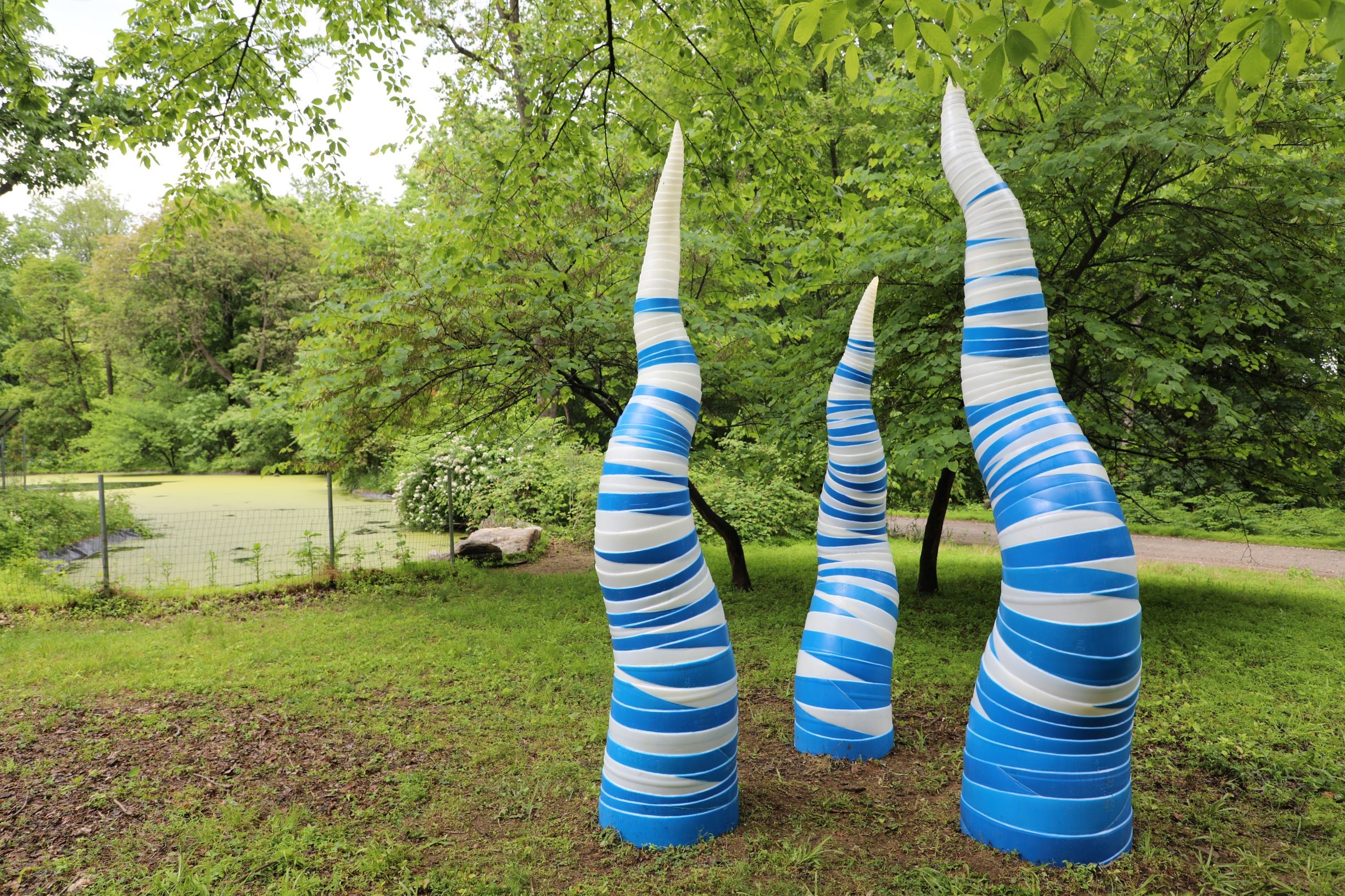
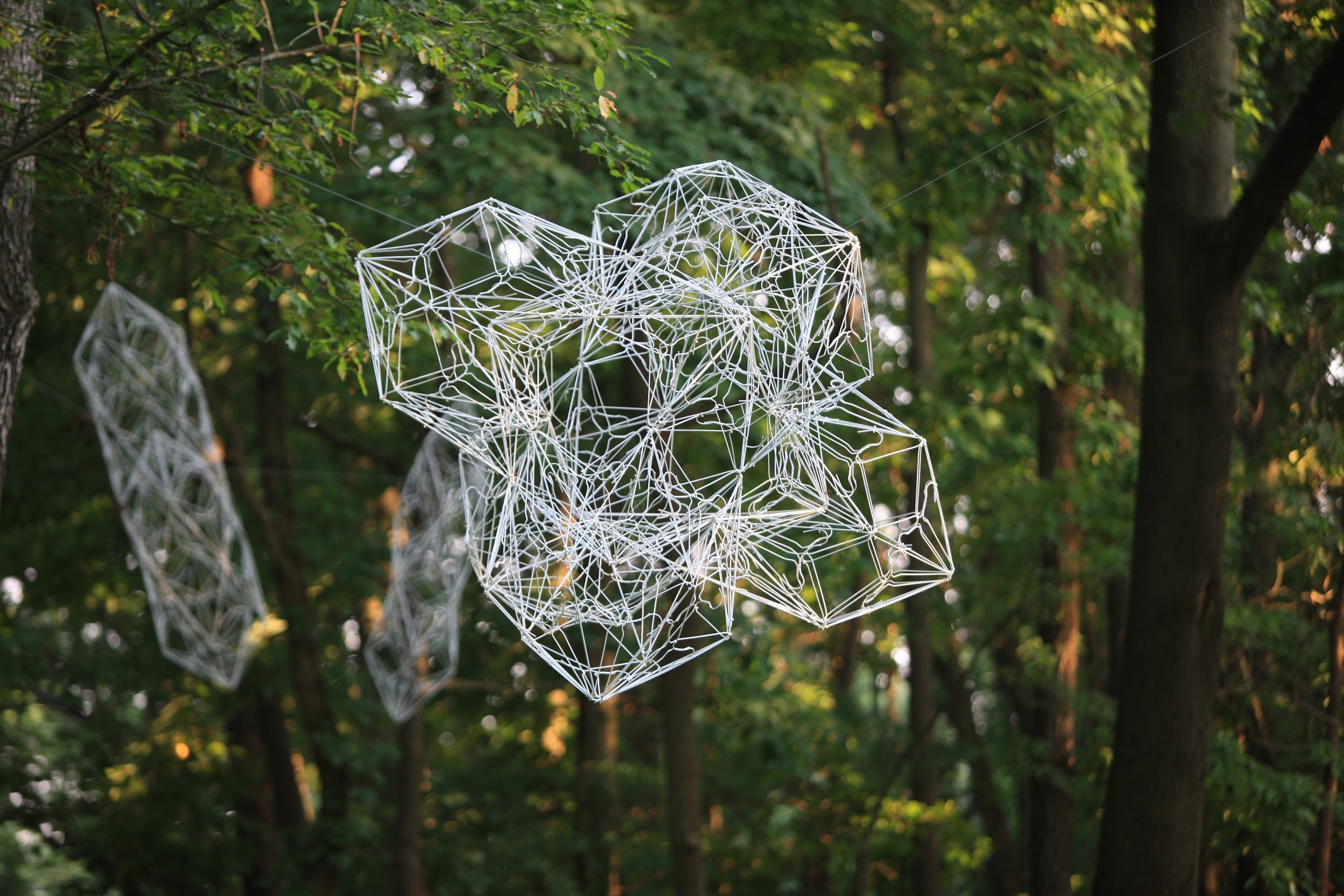
PROGRAM AREASThe Schuylkill Center’s Environmental Art Program is one of the first art programs in the country that exclusively focuses on environmental art in a nature setting. Our program consists of three main programming areas: exhibitions and installations, artist-in-residencies and public programming. Visit our Environmental Art Website for detailed information on our ongoing Art Projects.
FundersThe Schuylkill Center's Environmental Art Program is supported by the Pennsylvania Council on the Arts, the Philadelphia COVID-19 Arts Aid Fund, the Philadelphia Cultural Fund, the William Penn Foundation, the Knight Foundation, the National Endowment for the Arts, the Joseph Robert Foundation, the Dolfinger-McMahon Foundation, and the Velocity Fund. 


SupportSupport the creative investigations in future ecologies at the Schuylkill Center and make a gift to the Schuylkill Center’s Environmental Art Program. Help us share creative exploration in nature and connect communities to the wonders of their surroundings. Thank you. Donate to the Environmental Art Program 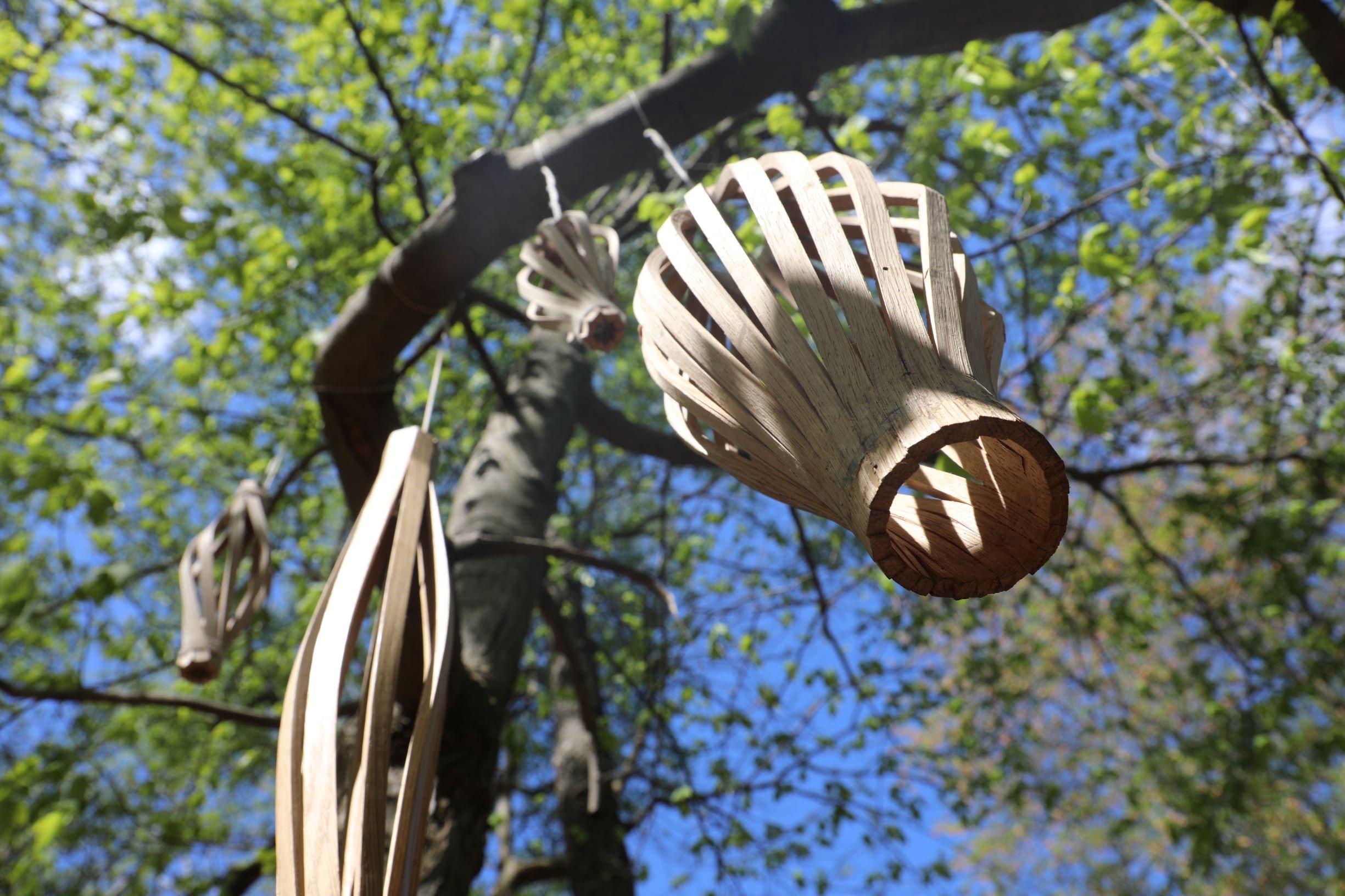
ConnectConnect with us on our social media platforms and stay up to date with our programming. Environmental Art Events in conjunction with our exhibitions and special programming are listed at the Schuylkill Center’s EVENT PAGE. The Environmental Art Department is also committed to being a resource in the discussion about today’s environmental art practices. We are posting related articles to our program’s happenings on the Schuylkill Center’s ENVIRONMENTAL ART BLOG. The generous support by volunteers is welcomed in the Art Department. Volunteers may give a helping hand in areas such as exhibition install, event programming and maintenance of our permanent artwork outdoors. If you’re interested in supporting our program, please contact our Exhibitions Coordinator. Questions?For any questions regarding our Environmental Art Program, please reach out to us at art@schuylkillcenter.org 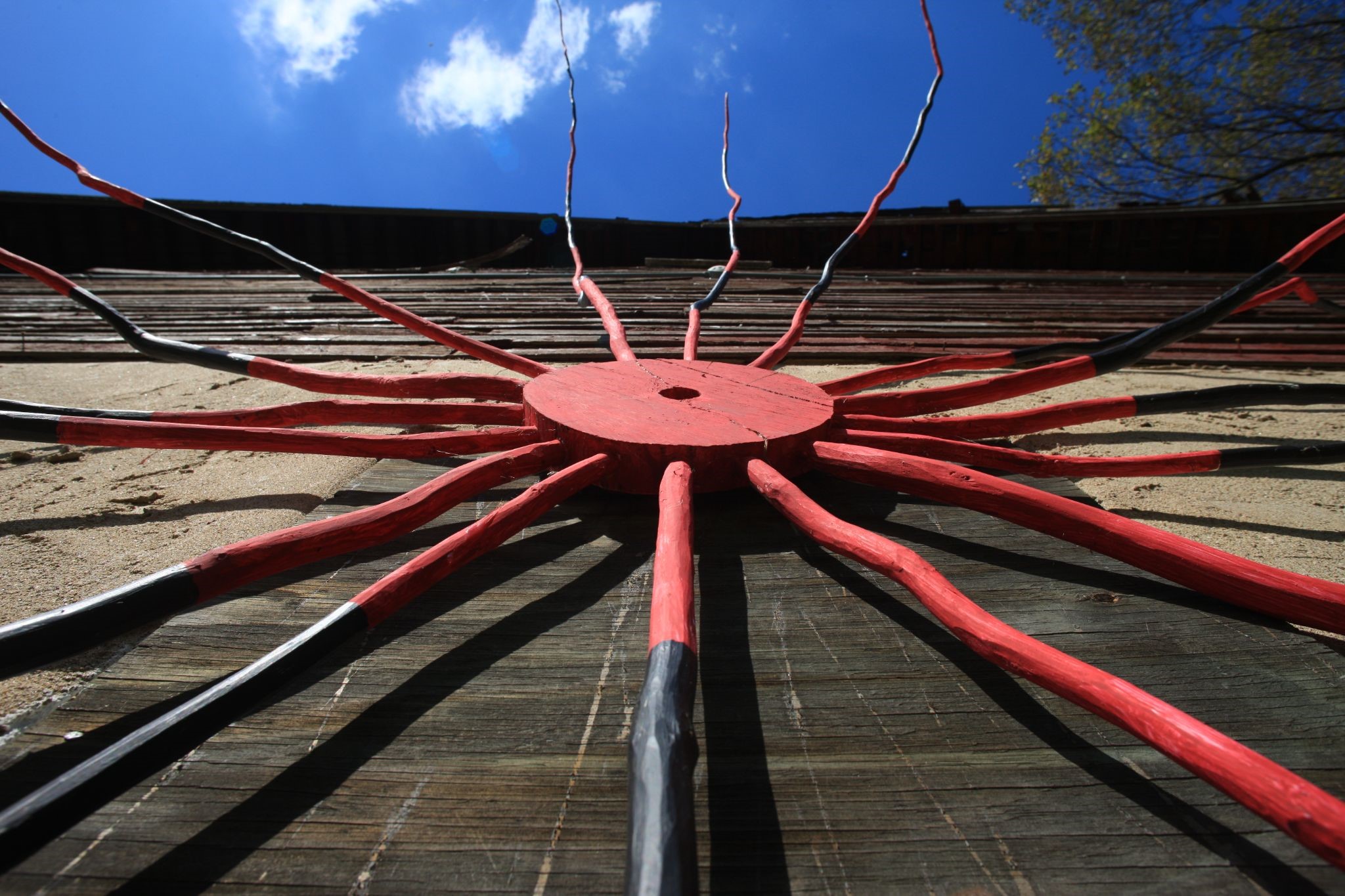
StaffMicah Lockman-Fine, Exhibitions Coordinator The Environmental Art Program is supported by an Art Advisory Committee composed of curators, creatives and environmental thinkers in the region. 
|



Contact
art@schuylkillcenter.org |